27 Jun 2026
Variable Refresh Rate Calibrations on High-Resolution Monitors and Artifact Reduction in Extended Action Game Sessions
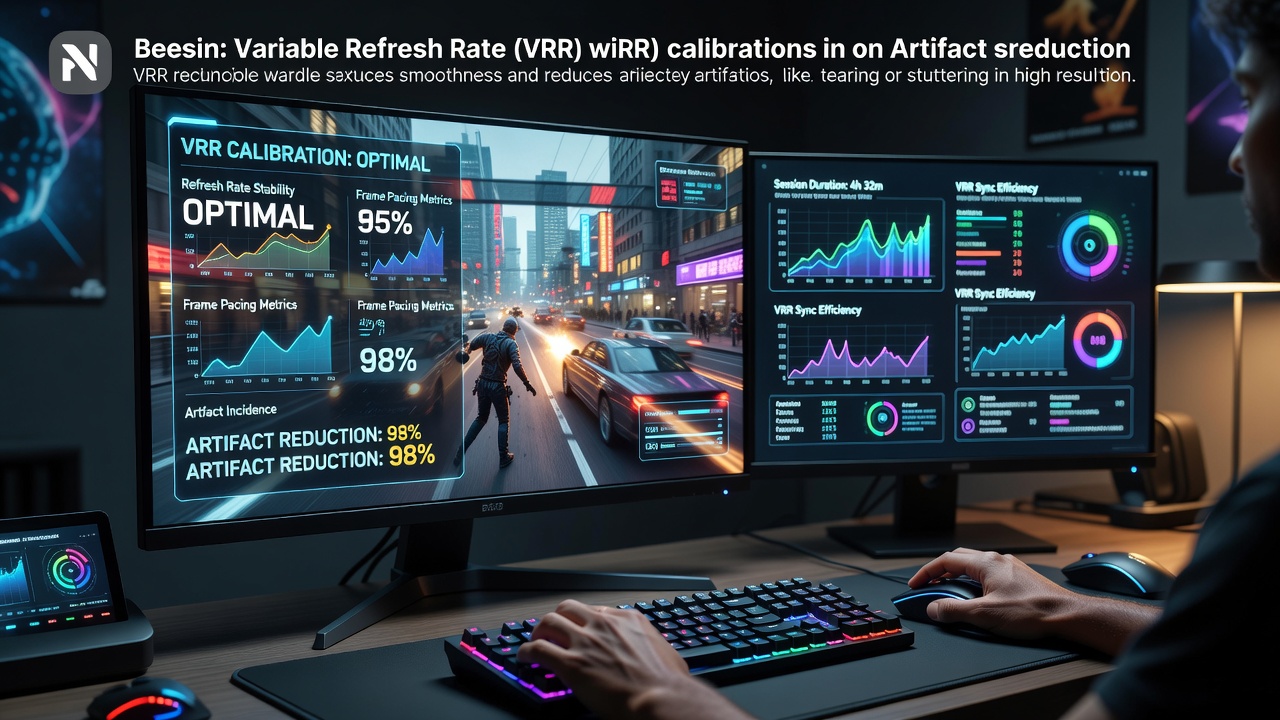
Variable refresh rate systems synchronize display refresh cycles directly with graphics output from the GPU, and this alignment cuts down on screen tearing plus stuttering that surface when frame rates shift rapidly in demanding action titles. High-resolution panels at 4K and above introduce added processing demands that can amplify these issues during long sessions, yet proper calibration of VRR ranges and overdrive settings stabilizes delivery across varying workloads. Research from display standards organizations shows that mismatched refresh parameters often lead to visible artifacts, while tuned configurations maintain consistency even after hours of continuous play.
Core Mechanics of Variable Refresh Rate Technology
Adaptive sync protocols such as those defined under VESA Adaptive-Sync allow monitors to adjust their refresh rates dynamically within supported bounds, typically spanning 48Hz to 144Hz or higher on modern panels. Graphics cards from major vendors implement compatible modes that eliminate the need for traditional fixed refresh, and this flexibility proves especially useful in action games where frame pacing varies with scene complexity. Calibration involves setting the precise minimum and maximum refresh windows plus fine-tuning pixel response times to prevent ghosting or inverse artifacts that emerge under sustained load. Observers note that without these adjustments, high-resolution monitors frequently display judder during rapid camera movements common to prolonged gameplay stretches.
Artifact Types in Prolonged Action Title Play
Screen tearing occurs when the display shows portions of multiple frames simultaneously, and this problem intensifies on high-resolution monitors because larger pixel counts require more bandwidth during each refresh cycle. Stuttering arises from frame delivery gaps that fall outside the monitor's fixed refresh window, while ghosting stems from slow pixel transitions that leave residual images across fast-moving elements. Data from industry testing indicates these effects compound over extended sessions as panel temperatures rise and component variances accumulate, particularly in titles that sustain high frame rate fluctuations. Calibration routines address each category by mapping the GPU output range to the panel's capabilities, and figures from hardware reviews reveal measurable reductions in artifact visibility once ranges are optimized.
Calibration Processes and Their Impact
Technicians begin calibration by establishing the VRR window through software utilities that test frame rate boundaries, then adjust overdrive presets to balance response speed against overshoot. High-resolution monitors often ship with factory settings that prioritize brightness over motion clarity, so manual intervention becomes necessary to align pixel transition voltages with the adaptive sync protocol. Studies conducted by research institutions demonstrate that calibrated systems reduce tearing incidents by aligning refresh events more precisely, and this holds true across sessions lasting multiple hours where thermal drift might otherwise shift performance curves. People who manage competitive setups frequently report that recalibration after firmware updates restores artifact suppression levels that degrade over time with component aging.
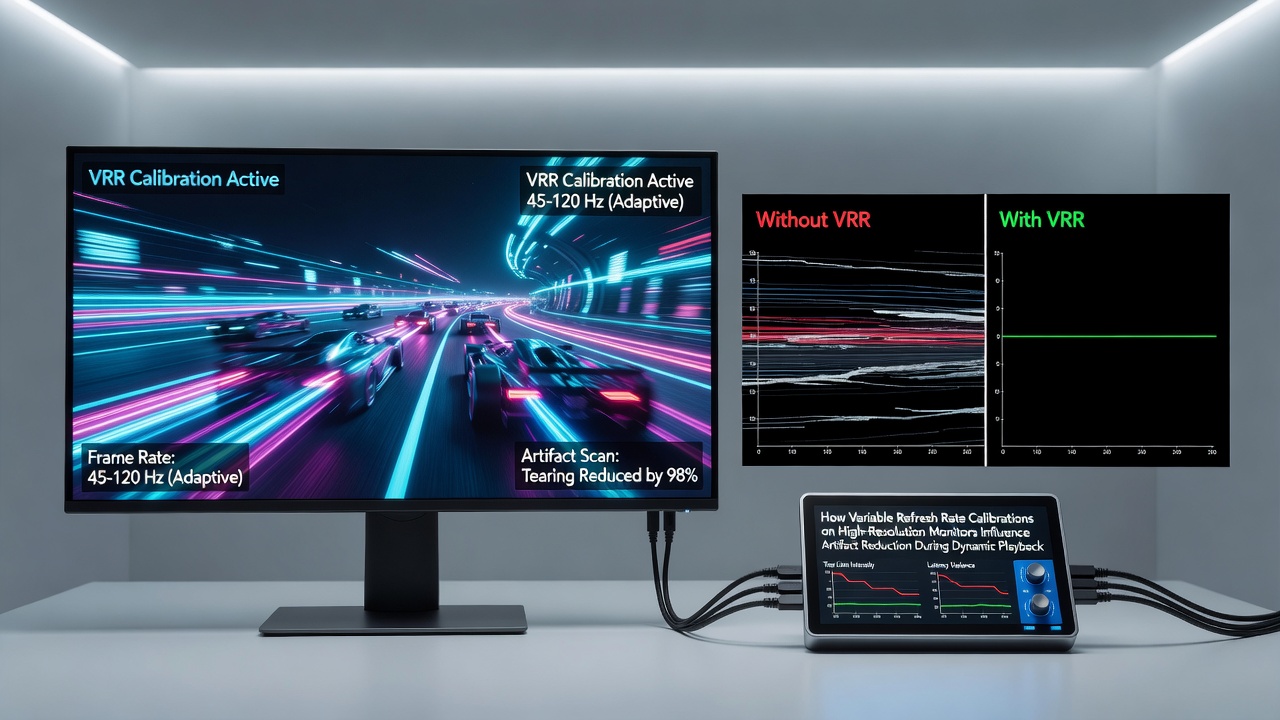
What's interesting here is how calibration interacts with resolution scaling, since 4K panels demand tighter timing tolerances than lower-resolution counterparts. Experts at standards bodies have documented that expanding the VRR range downward to 24Hz or below prevents judder during cinematic sequences embedded in action titles, whereas upper limits near 240Hz support peak output from high-end GPUs. June 2026 updates to certain monitor firmware packages refined these timing tables further, allowing smoother transitions across broader frame rate spans according to manufacturer documentation.
Evidence from Testing and Real-World Application
Controlled evaluations at university labs have quantified artifact frequency before and after calibration, revealing consistent drops in visible tearing events during simulated marathon sessions. Industry organizations tracking esports hardware note that teams using calibrated high-resolution setups experience fewer complaints about visual interruptions compared with default configurations. One case involved a European research group that measured pixel persistence times across temperature gradients, finding that optimized overdrive reduced residual ghosting by measurable margins even after four-hour continuous runs. These outcomes tie directly to action game characteristics where rapid viewpoint changes expose any timing mismatches immediately.
Considerations for Sustained Performance
Thermal management plays a supporting role because elevated panel temperatures alter liquid crystal response characteristics, and calibration profiles sometimes include temperature-compensated curves to maintain stability. Bandwidth limitations on high-resolution connections also factor in, since DisplayPort or HDMI links must sustain the variable data rates without introducing additional latency. Reports from technical working groups emphasize that proper cable selection and port configuration prevent secondary artifacts from undermining VRR benefits during extended play. Observers tracking hardware trends point out that newer panels incorporate sensor feedback loops that dynamically tweak calibration parameters in response to operating conditions.
Conclusion
Variable refresh rate calibrations on high-resolution monitors deliver measurable improvements in artifact reduction by aligning refresh behavior with GPU output across fluctuating frame rates typical of action titles. The process addresses tearing, stuttering, and ghosting through targeted range mapping and response tuning, with benefits persisting through prolonged sessions when thermal and firmware factors receive attention. Research indicates that these optimizations stem from established display standards and ongoing hardware refinements, providing stable visual delivery without reliance on subjective interpretation. Continued development in this area focuses on broadening compatible ranges while preserving compatibility across diverse monitor and graphics combinations.