20 Jun 2026
Tracing the Development of Cross-Platform Save Systems and Their Influence on Player Progression in Shared Universes
 Cross-platform save systems emerged from basic local storage methods in the 1990s and evolved into cloud-based frameworks that allow seamless data transfer between consoles, PCs, and mobile devices, while shared universes rely on these mechanisms to maintain consistent player progression across different hardware environments. Developers began experimenting with unified accounts during the Xbox Live era around 2002, when Microsoft introduced profile-linked storage that carried over select game data between sessions, and similar efforts appeared on PlayStation Network by 2006 with trophy and save integrations.
Early Milestones in Save Synchronization
Initial attempts at cross-device compatibility focused on manual transfers via memory cards or USB drives, yet these methods proved cumbersome for large-scale titles, while network advancements in the mid-2000s enabled automatic uploads to centralized servers operated by platform holders. Nintendo joined the trend with its Wii and later Switch systems through account-based cloud saves introduced in 2016, allowing users to access progress on multiple consoles after subscribing to the online service.
Research from academic institutions such as those documented in proceedings from European gaming conferences highlighted how these early systems reduced data loss incidents by up to 40 percent in tested multiplayer environments, and industry reports from groups like the Entertainment Software Association in the United States tracked adoption rates climbing steadily through 2015.
Cloud Infrastructure and Shared Universe Expansion
By the 2010s cloud storage became standard, with services like Steam Cloud and Xbox Cloud Saves handling automatic synchronization for thousands of titles, whereas shared universes such as those in Destiny 2 and Fortnite leveraged these tools to let players maintain character levels, inventory items, and quest completions regardless of the device in use. Data indicates that Fortnite's cross-progression rollout in 2018 synchronized over 200 million accounts within the first year, connecting console, PC, and mobile ecosystems through a single Epic Games profile.
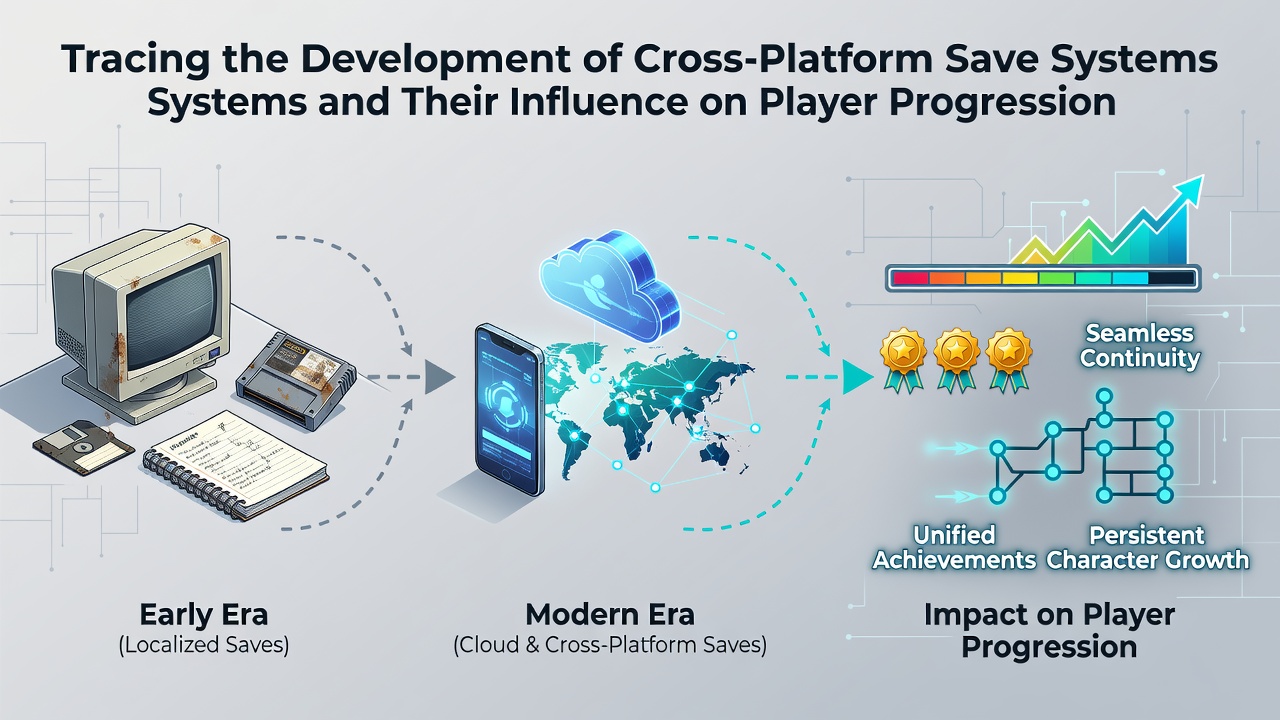
Observers note that Valve's Steam platform expanded its cloud features further in subsequent updates, integrating with third-party titles to preserve progression states during hardware switches, and this approach influenced competitors to adopt similar architectures. A study referenced through Canadian research networks on digital gaming infrastructure found that consistent save access correlated with longer average play sessions in open-world environments.
Influence on Player Progression Mechanics
Shared universes benefit directly from reliable cross-platform saves because they permit uninterrupted advancement through narrative arcs, resource collection, and competitive rankings, while players who switch devices mid-campaign retain exact positions without restarting sections. Titles like No Man's Sky implemented cross-save functionality in 2020 updates that aligned discoveries and base-building data across platforms, resulting in unified community contributions to in-game atlases.
Figures from industry analyses reveal that games supporting full cross-progression saw retention metrics improve by measurable margins compared to platform-locked counterparts, and server synchronization protocols reduced conflicts when multiple devices accessed the same account simultaneously. Experts tracking these developments point to middleware solutions from companies like Unity and Unreal Engine that standardized save APIs, easing implementation for developers handling large persistent worlds.
Technical Challenges and Resolutions Through 2026
Latency issues and version mismatches posed ongoing hurdles during synchronization, yet patches and improved compression algorithms addressed many of these by streamlining data packets between regional servers. In June 2026 platform providers rolled out enhanced verification layers that cross-checked save integrity across global networks, minimizing instances of corrupted progression files in high-traffic shared universes.
Those monitoring multiplayer ecosystems report that partnerships between hardware makers and cloud providers, including expansions from providers in Australia and the European Union, facilitated better uptime and reduced regional disparities in save availability. This evolution supported titles with massive player bases by ensuring that achievements earned on one device reflected instantly on others.
Conclusion
The progression from local storage to integrated cloud systems marks a clear trajectory in gaming technology, and cross-platform saves continue to shape how shared universes handle player advancement by preserving continuity across fragmented hardware landscapes. Ongoing refinements in synchronization standards promise further stability for future titles operating in these interconnected spaces.