16 May 2026
The Untold Blueprint: Mapping Component Synergies for Optimal Frame Delivery in Simulation Games
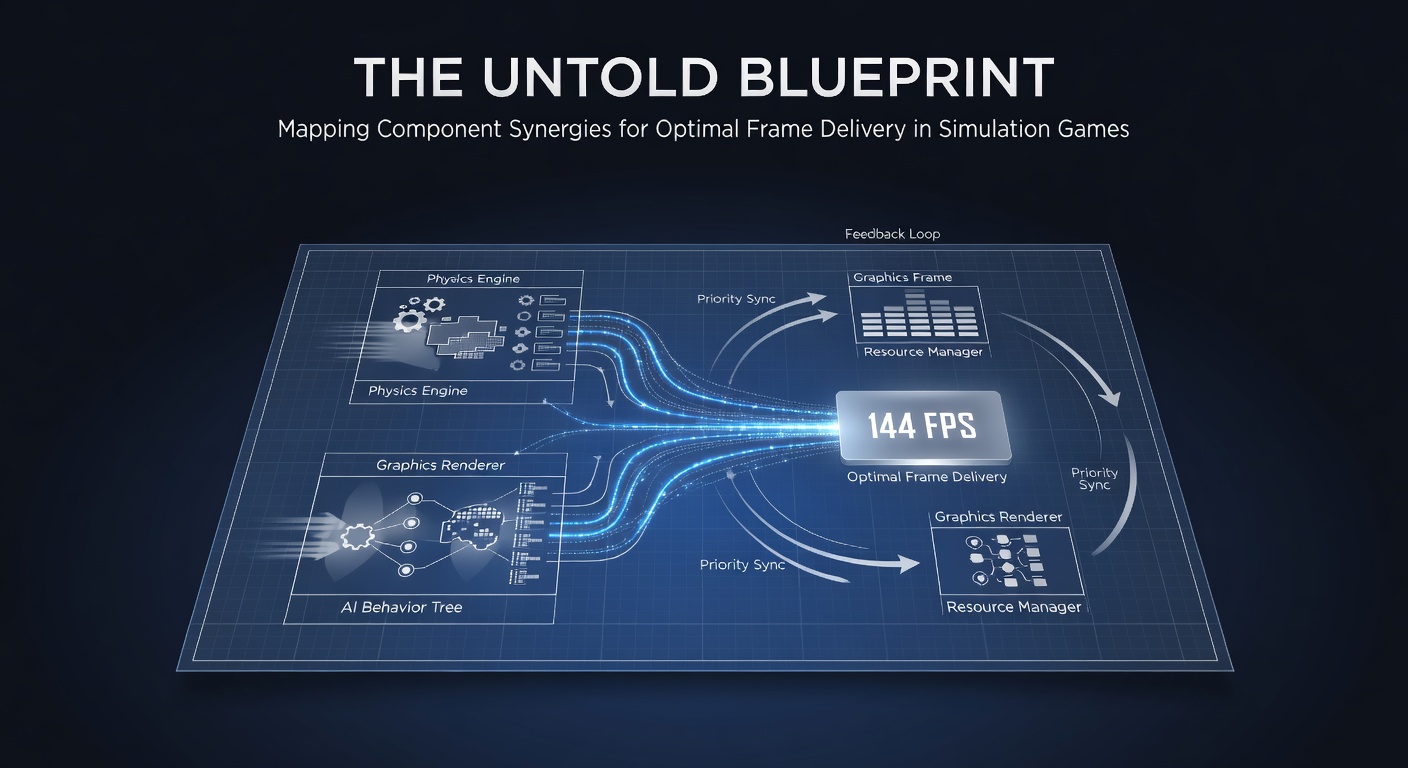 Simulation games place unique demands on hardware because they require simultaneous handling of complex physics calculations, detailed world simulations and high-fidelity visuals all at once. Developers map component synergies carefully so that central processing units manage AI behaviors and physics threads while graphics processing units handle rendering pipelines and memory subsystems feed assets without interruption. Storage devices stream large texture sets and terrain data in real time and the interplay among these parts determines whether frames stay consistent or dip under load. Observers note that bottlenecks emerge quickly when one element lags behind the others. A powerful graphics card cannot compensate fully if the processor struggles to update simulation states each tick and insufficient memory forces constant swaps from slower storage. Research indicates that balanced configurations deliver measurable gains in frame consistency across titles such as large-scale flight and racing simulators.
Core Hardware Roles and Their Interconnections
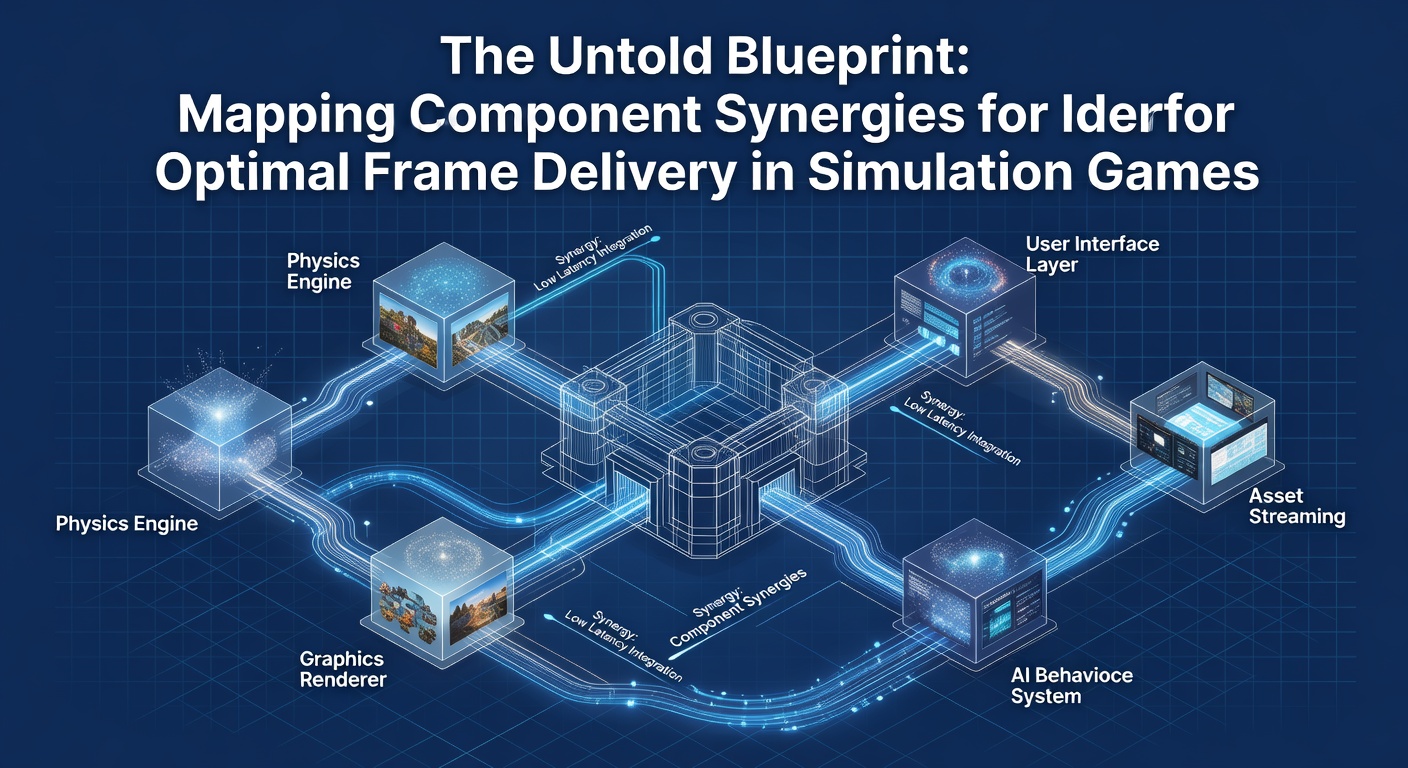
Central processing units coordinate the core simulation loop by calculating object positions, handling collision detection and running scripted events that drive the virtual environment forward. Graphics processors then translate those updated states into visual output through vertex transformations, pixel shading and post-processing effects that give scenes their depth and realism. Memory modules act as the immediate buffer that holds active assets so the other two components avoid waiting on data fetches from disk.
Those who have profiled simulation titles report that latency between these stages compounds rapidly when clock speeds or cache sizes fall out of alignment. Fast random-access memory paired with high-core-count processors reduces the time spent resolving dependencies while graphics units equipped with dedicated tensor cores accelerate frame generation techniques introduced in recent driver updates.
Storage and Data Streaming Strategies
Solid-state drives equipped with high-speed interfaces keep pace with the continuous demand for new geometry and texture streams that simulation engines pull in during long sessions. DirectStorage APIs allow graphics hardware to access compressed data directly, bypassing traditional processor overhead and shortening load times between distant regions of a virtual world. Figures from industry benchmarks show that systems using PCIe 4.0 or newer interfaces maintain steadier frame times when players traverse expansive maps compared with older mechanical drives.
Optimizations Emerging in 2026
During May 2026 several driver and middleware releases introduced refined frame pacing algorithms that monitor component utilization in real time and adjust workload distribution accordingly. These tools allow graphics processors to predict upcoming simulation demands and prefetch data through smarter memory controllers, resulting in fewer dropped frames during intense moments such as weather transitions or dense traffic scenes. Academic papers presented at graphics conferences that spring detailed how machine-learning models trained on telemetry from thousands of play sessions can anticipate bottlenecks before they affect output.
One case study from a European research consortium tracked frame delivery across multiple hardware combinations and found that pairing latest-generation processors with expanded cache hierarchies improved average frame consistency by noticeable margins in CPU-bound scenarios. Similar observations appear in reports from Australian hardware testing labs that examined memory bandwidth scaling in large open-world simulations.
Practical Mapping Techniques Used by Developers
Engineers create detailed diagrams that chart data flow from simulation thread to render thread and then to display output. These blueprints highlight where synchronization points occur and where asynchronous compute queues can absorb extra work without stalling the main pipeline. Profiling software reveals which component reaches saturation first under typical player paths, allowing targeted upgrades rather than blanket hardware replacements.
Teams often test configurations that include newer solid-state drives alongside increased system memory allocations, because simulation titles frequently preload large asset libraries for seamless exploration. Data indicates that such pairings reduce hitching when players change view angles quickly or enter new areas populated with dynamic objects.
Conclusion
Mapping component synergies remains an ongoing process as simulation engines grow more sophisticated and hardware capabilities expand each generation. Balanced systems that align processor throughput, graphics rendering power, memory capacity and storage bandwidth continue to deliver the most stable frame delivery across varied gameplay conditions. Ongoing research and real-world testing provide developers with clearer guidelines for matching parts to specific simulation workloads, ensuring players experience consistent performance even in the most demanding virtual environments.