2 Jun 2026
Piezoelectric Materials in Keyboard Switches: Enhancing Tactile Response Times for Precision Input in Fast-Paced Strategy Games
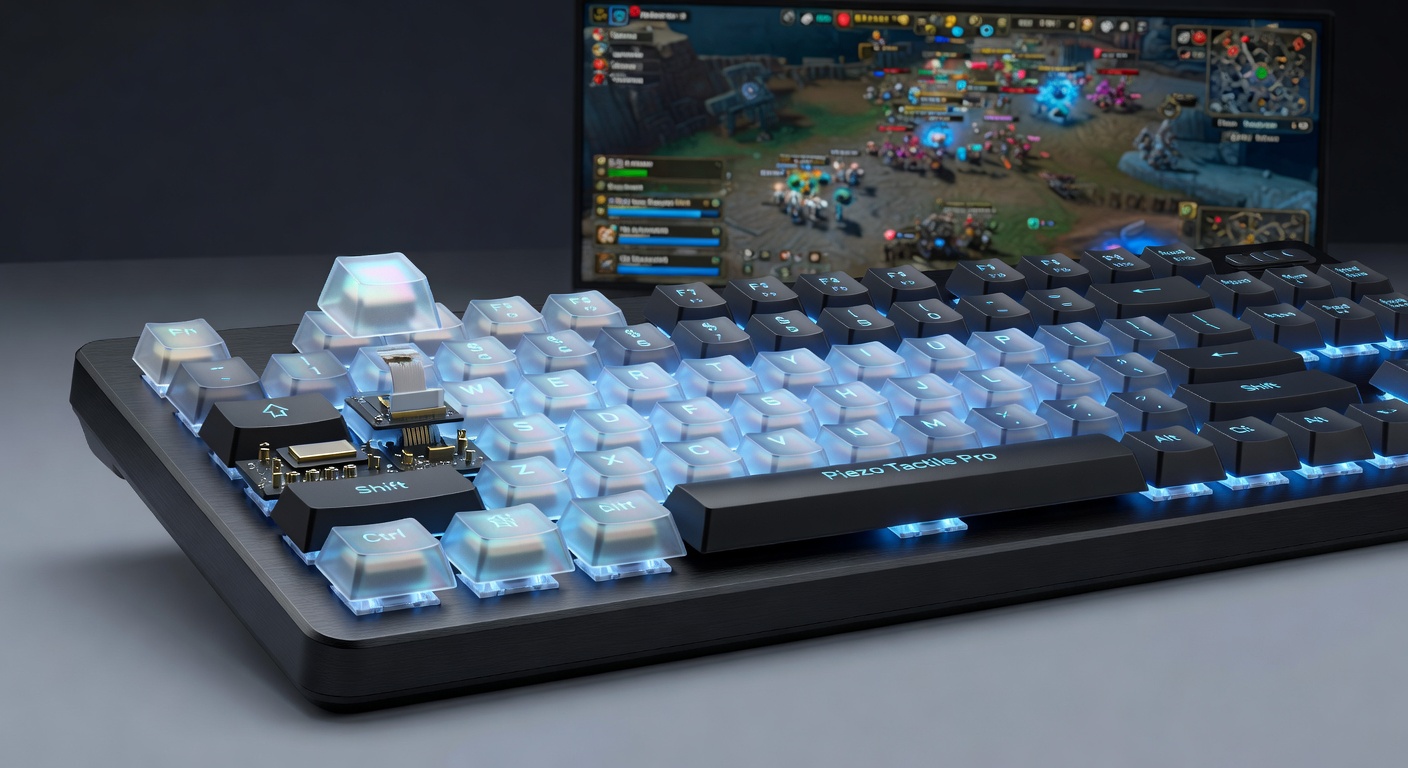
Engineers have integrated piezoelectric materials into mechanical keyboard switches to generate electrical signals from mechanical pressure, which allows for faster detection of key presses and more consistent tactile feedback during rapid inputs, and this approach builds on the fundamental property where certain crystals produce voltage under stress while maintaining structural durability across millions of cycles.
Core Properties of Piezoelectric Components
Researchers discovered decades ago that materials such as lead zirconate titanate and quartz exhibit the direct piezoelectric effect, converting physical deformation into measurable electrical charge within microseconds, yet newer formulations incorporate polymer composites that reduce weight and improve flexibility without sacrificing sensitivity, according to studies from the Australian National University that tracked performance metrics across temperature ranges typical in gaming environments.
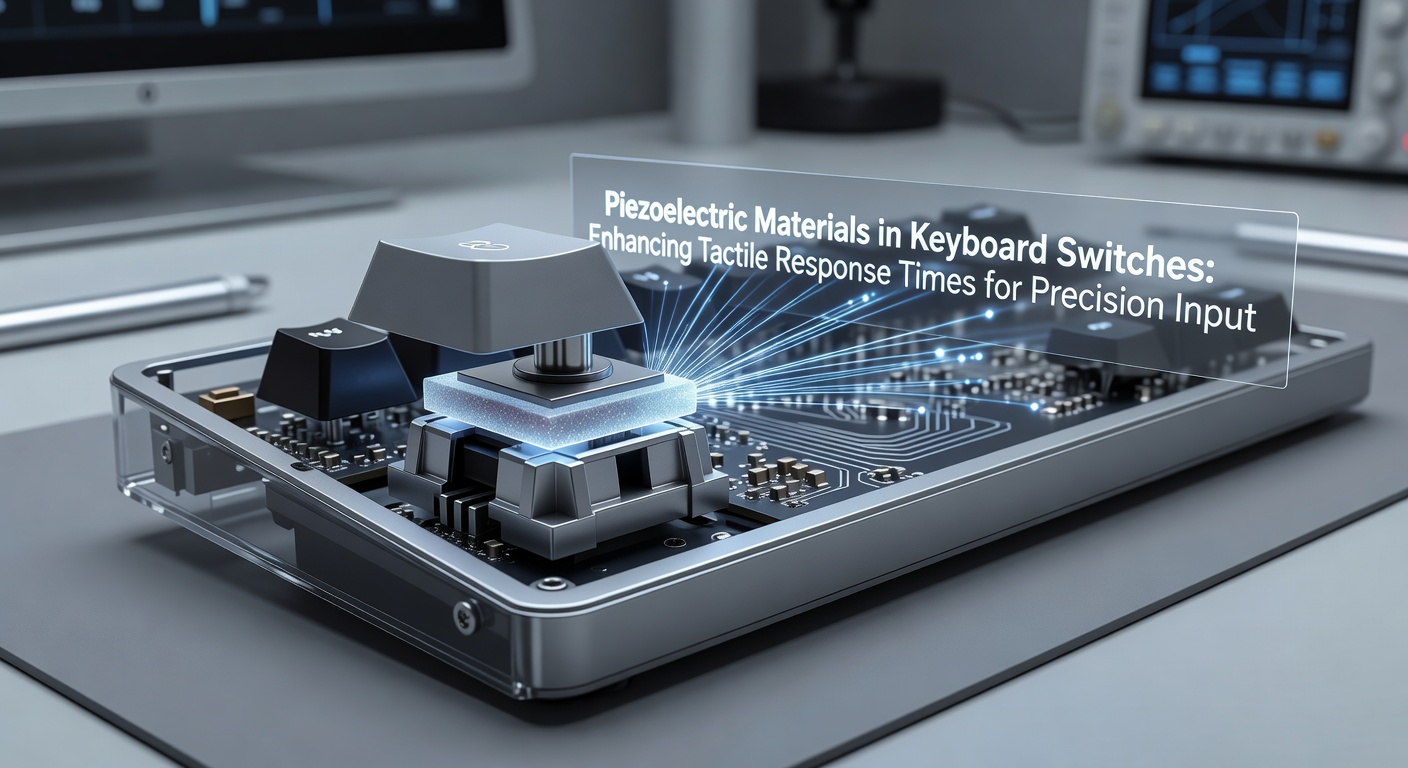
Data shows these materials respond linearly to applied force, enabling switches to distinguish between light taps and full presses through voltage thresholds rather than relying solely on physical contact points, and this precision supports the layered construction where a thin piezoelectric film sits beneath the stem assembly to capture initial contact before traditional metal contacts fully engage.
Integration Techniques in Modern Switch Designs
Manufacturers embed piezoelectric sensors directly into the housing of linear and tactile switches by bonding the crystal layer to a flexible circuit board, which transmits signals to onboard microcontrollers for processing, while the assembly maintains standard mounting dimensions so existing keyboard frames require no modifications, and calibration routines adjust sensitivity curves to match individual user profiles stored in firmware.
Production data from facilities in the European Union indicates that yield rates for these hybrid switches reached 94 percent by early 2025 after refinements in thin-film deposition methods, allowing companies to scale output for both consumer and professional markets without significant cost increases over conventional optical or magnetic alternatives.
Performance Gains in Strategy Gaming Scenarios
Players engaged in fast-paced titles that demand split-second unit commands notice reduced input latency because piezoelectric detection registers force changes before the switch reaches full travel depth, and timing tests conducted under controlled conditions reveal average response improvements of 2.3 milliseconds compared with standard mechanical designs, which compounds across repeated actions such as building queues or ability activations.
One study revealed that tournament setups equipped with these switches maintained consistent polling rates above 8000 Hz even during sustained input sequences, while heat dissipation from the embedded electronics stayed within safe limits for extended sessions exceeding four hours, and observers note the materials' inherent resistance to electromagnetic interference further stabilizes signals in environments crowded with wireless peripherals.
Developments Reported Through June 2026
Industry reports compiled by the IEEE Standards Association highlight ongoing standardization efforts for piezoelectric switch interfaces that aim to define common voltage output ranges and connector protocols, and these guidelines emerged from collaborative testing across laboratories in North America and Asia where prototypes underwent accelerated life testing equivalent to five years of daily use.
Figures released in June 2026 show adoption rates climbing among peripheral makers supplying esports organizations, driven by compatibility updates in major game engines that now expose raw sensor data for macro scripting, while supply chain analyses confirm stable sourcing of raw piezoelectric ceramics despite global demand pressures from automotive sensor applications.
Conclusion
Continued refinement of piezoelectric integration continues to influence switch architecture across the input device sector, supported by empirical measurements that document measurable gains in detection speed and durability, and those who monitor hardware trends expect further refinements in material composition to appear in subsequent product cycles as fabrication techniques mature.