4 Jun 2026
Modular Component Swaps Extend Console Lifespan Through Targeted Upgrades in Racing Sim Setups
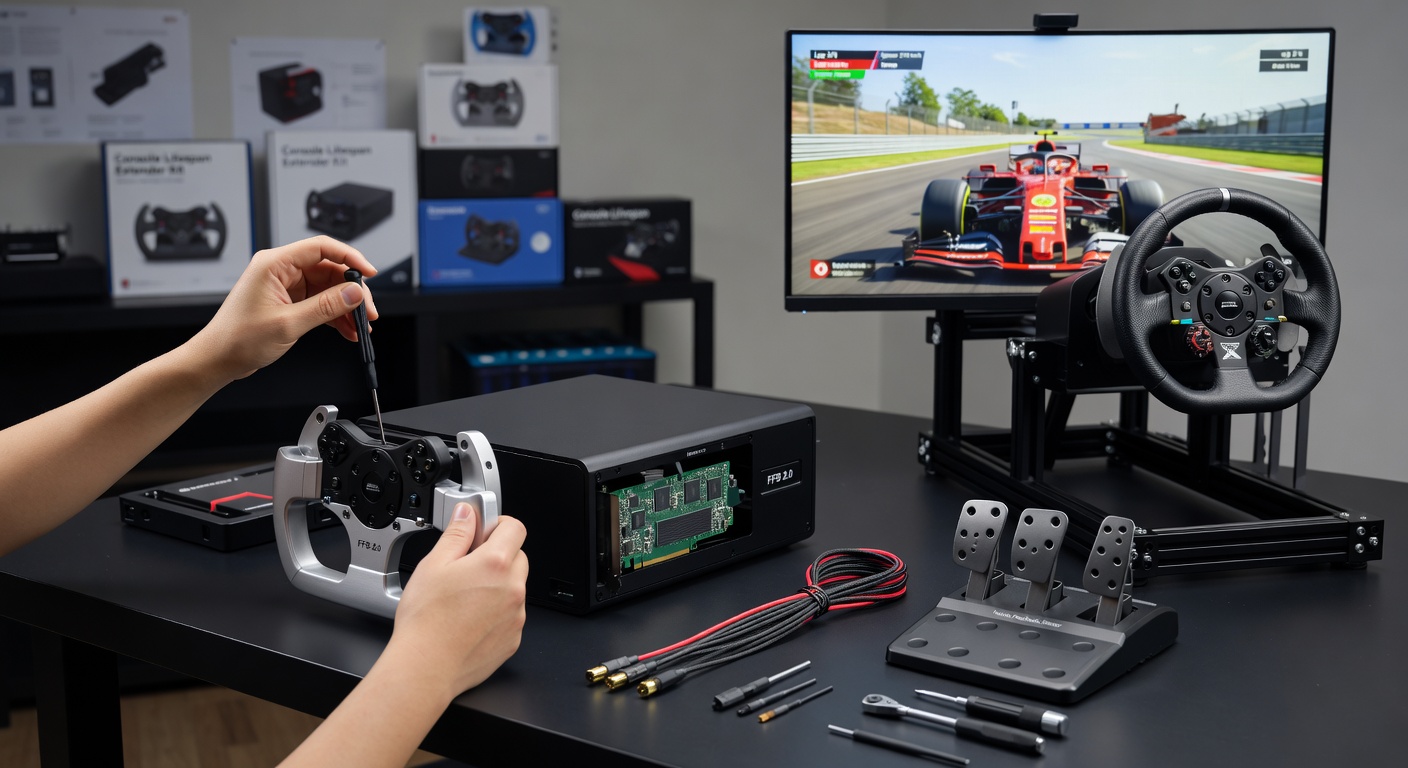
Console hardware in racing simulation environments benefits from modular component swaps that allow users to refresh input devices and support structures without replacing the core system, and this approach keeps older PlayStation and Xbox units functional for extended periods as peripheral technology advances. Research from industry groups shows that sim racers often maintain the same console for five to seven years when they focus upgrades on wheels, pedals, shifters and cockpit frames instead of pursuing full platform replacements.
Core Principles Behind Modular Swaps
Manufacturers design many racing peripherals with standardized mounting points and connection protocols so that a single console can interface with successive generations of hardware, while direct-drive wheel bases, load-cell pedals and adjustable rigs connect through USB or proprietary hubs that remain backward compatible. Data from the Entertainment Software Association indicates that peripheral sales in the simulation category grew steadily between 2022 and 2025, driven by users who retain their consoles yet refresh tactile feedback and force response through targeted part exchanges. Observers note that this pattern reduces electronic waste because the console's processor, storage and graphics components continue to handle game engines while only worn or outdated input modules get exchanged.
Targeted Components in Racing Setups
Steering wheels represent one of the most frequently swapped elements because torque output, button layouts and grip materials improve with each product cycle, yet the console itself requires no modification to accommodate newer bases as long as firmware updates maintain driver compatibility. Pedal sets follow a similar trajectory where users replace potentiometer-based units with load-cell sensors that deliver more precise braking data, and these swaps occur through the same USB connection already supported by the console's operating system. Shifters, button boxes and handbrakes attach via modular plates on aluminum profiles, allowing sim racers to expand or refine control layouts without altering the central hardware. Studies compiled by the European Games Developer Federation reveal that sim racing titles maintain stable performance on mid-generation consoles when input latency stays below manufacturer thresholds, confirming that performance gains come primarily from peripheral precision rather than console upgrades.
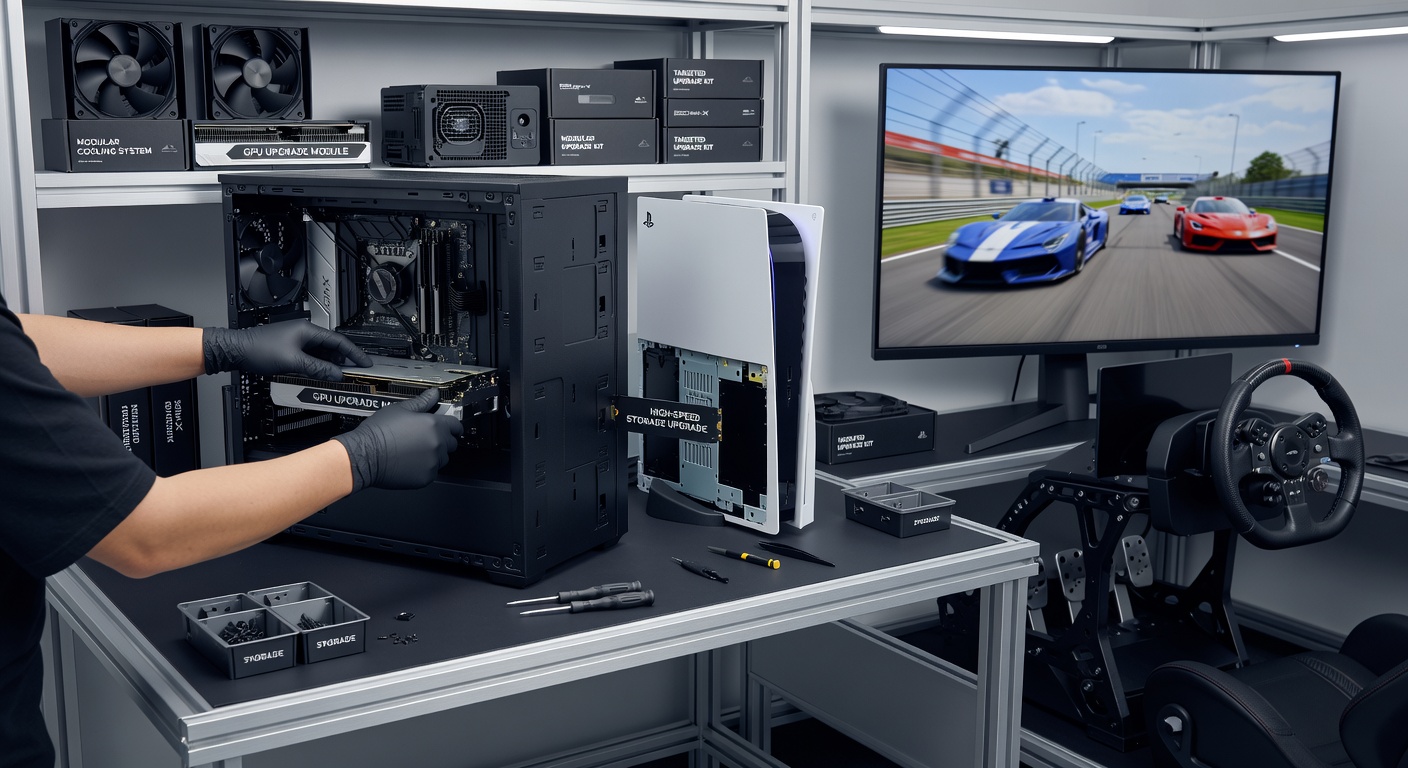
Longevity Metrics and Platform Retention
Console lifespan extends when owners avoid full system turnover because modular upgrades address the components that experience mechanical wear first, and figures from hardware lifecycle reports show that racing-specific peripherals often reach replacement cycles every two to three years while consoles remain viable much longer. Users who adopt aluminum extrusion rigs with standardized hole patterns can reposition or substitute seats, pedal decks and monitor arms as ergonomics or display technology changes, keeping the overall station current without touching the console. Research indicates that such practices align with broader trends in electronics sustainability where component-level refreshes reduce the frequency of complete device disposal.
Developments Anticipated by Mid-2026
Industry roadmaps point to new wheel base firmware and pedal sensor standards scheduled for release around June 2026 that will further standardize connections across console ecosystems, allowing even earlier-generation hardware to integrate with forthcoming direct-drive and hydraulic brake modules. Trade associations expect these updates to appear first in aftermarket ecosystems before console manufacturers incorporate them into official accessory lines, and this sequencing enables sim racers to plan component purchases around firmware compatibility windows rather than console release cycles. Reports from university engineering departments tracking input device interoperability confirm that backward-compatible hubs already in circulation will support the majority of these 2026 modules without requiring console-side changes.
Conclusion
Modular component swaps therefore function as a practical strategy for extending the operational life of consoles in racing simulation environments by isolating upgrades to input devices and structural elements that evolve faster than core hardware, and continued standardization across wheel bases, pedals and rig systems supports this model through at least the middle of the decade.