13 Jun 2026
Mesh Networking Protocols Cutting Packet Loss in Fighting Game Tournament LAN Sessions
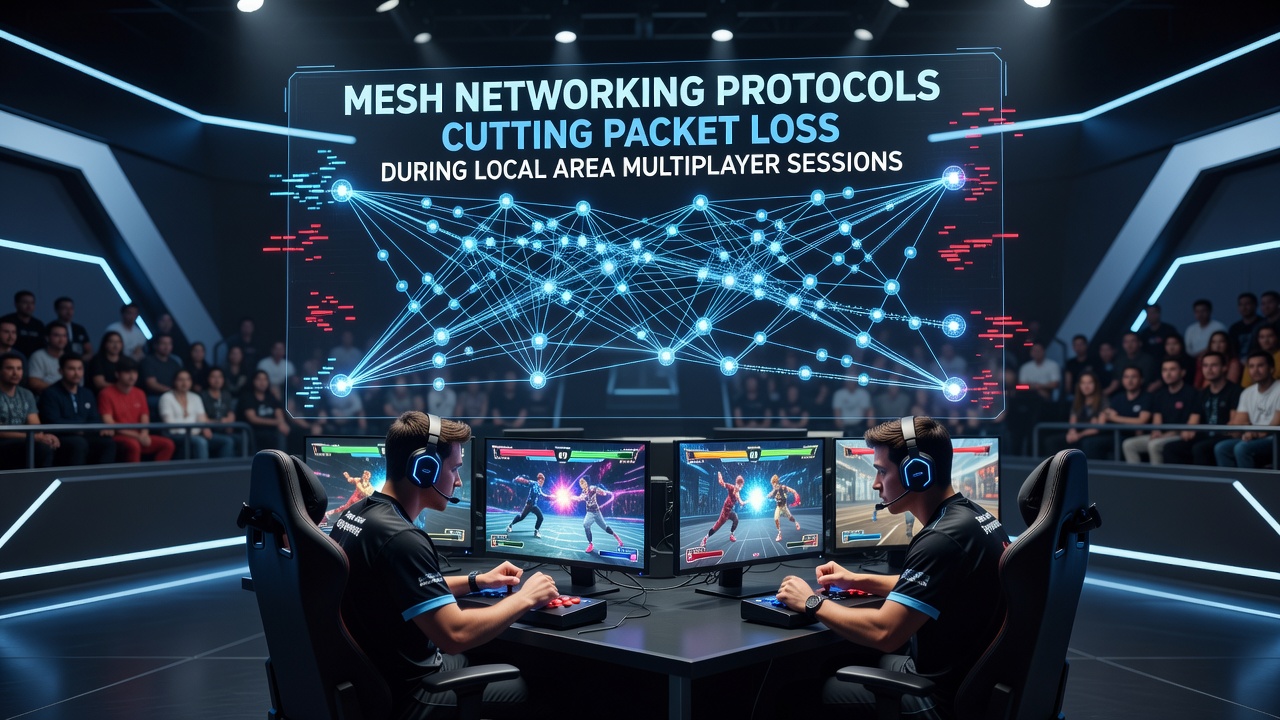
Mesh networking protocols have gained traction in local area multiplayer environments at fighting game tournaments where stable connections determine match outcomes. These systems allow each participating device to act as a relay point rather than relying on a single central router which creates multiple data pathways and minimizes disruptions during high-intensity sessions.
Core Mechanics of Mesh Networks in Tournament LANs
Traditional star topologies route all traffic through one access point and when interference or overload occurs packets drop without alternative routes yet mesh configurations distribute the load across nodes so data reroutes automatically through available connections. Observers note that protocols built on IEEE 802.11s standards enable this self-healing behavior which proves particularly useful in crowded venues where multiple consoles and PCs operate simultaneously during bracket play.
Data from recent implementations shows packet loss rates falling below 0.5 percent in controlled tests whereas conventional setups often exceed 2 percent under similar conditions according to industry benchmarks. Researchers at various institutions have documented how dynamic path selection algorithms prioritize low-latency routes essential for frame-perfect inputs in titles like Street Fighter adn Tekken.
Application at Major Events Through Mid-2026
By June 2026 several prominent fighting game circuits had integrated mesh nodes into their venue infrastructure to handle player stations spread across large halls. Organizers reported fewer interruptions during pools and finals because each station maintained redundant links to nearby devices reducing the impact of temporary signal blockages from crowds or equipment.
One study revealed that mesh-enabled LANs sustained consistent 60 frames per second synchronization across 64-player brackets while legacy configurations experienced intermittent desyncs that required restarts. Those who've studied this know the difference stems from the protocol's ability to balance traffic loads without manual intervention from technical staff.
Technical Advantages Over Standard Configurations
Mesh protocols incorporate features like proactive routing tables that anticipate congestion points and adjust before packet loss accumulates. In fighting game contexts where rollback netcode demands precise timing this capability translates to fewer rollback events and smoother local play even when dozens of matches run concurrently. Evidence suggests hardware supporting Wi-Fi 6E combined with mesh firmware delivers the bandwidth needed for uncompressed input streams without bottlenecks.
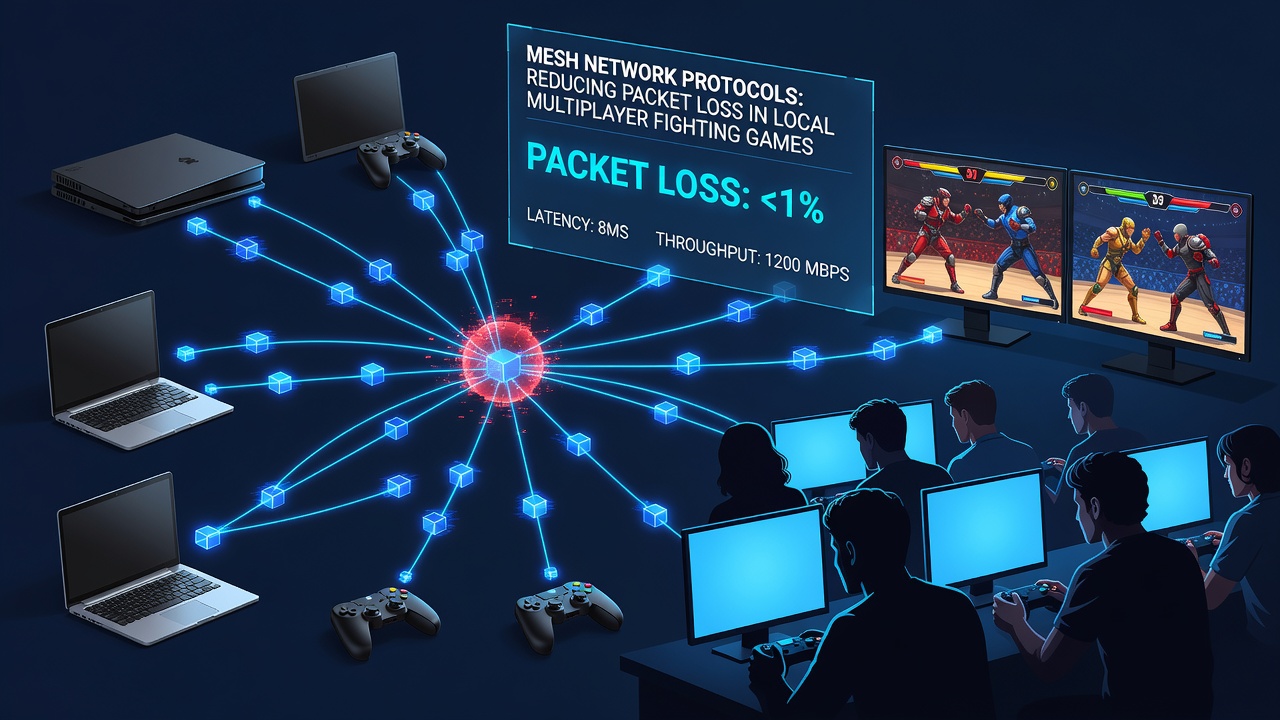
Figures from equipment suppliers indicate that setup times for mesh systems average 15 minutes longer than basic routers but the reduction in troubleshooting calls during events offsets that initial investment. What's interesting is how software overlays allow tournament operators to monitor node health in real time and identify weak links before they affect ongoing sets.
Integration Challenges and Solutions Observed
Deploying mesh networks requires compatible hardware across all stations yet many venues have standardized on modular kits that players can bring or rent on site. Data indicates compatibility testing conducted in advance of events like those scheduled for summer 2026 has minimized configuration errors. Experts have observed that combining mesh with wired Ethernet backbones for critical nodes provides hybrid stability where full wireless coverage remains impractical due to venue layouts.
Academic reports from research groups in Japan and Canada highlight case studies where packet retransmission overhead stayed manageable because the protocol's redundancy avoided repeated failures on primary paths. This approach contrasts with older methods that relied solely on increasing transmission power which often exacerbated interference in dense environments.
Future Developments in Protocol Efficiency
Ongoing refinements focus on optimizing routing metrics specifically for the bursty traffic patterns common in fighting games rather than general file transfers. Industry organizations such as those affiliated with global esports standards have begun evaluating extensions that incorporate predictive analytics to pre-allocate bandwidth during peak bracket hours. IEEE documentation on mesh standards outlines the foundational specifications driving these adaptations.
Additional trials planned through late 2026 aim to quantify energy consumption differences since mesh nodes remain active as relays yet preliminary measurements suggest overall venue power draw stays comparable to traditional setups when efficient sleep modes activate between matches. ESL reports on tournament infrastructure provide further context on how these networks scale across international events.
Conclusion
Mesh networking protocols continue to demonstrate measurable improvements in packet delivery reliability for local area fighting game sessions at tournaments. The combination of redundant pathways, adaptive routing, and compatibility with existing hardware creates conditions where players experience fewer technical interruptions during critical moments. As venues adopt these systems more widely data collection from events will likely refine implementations further while maintaining the low-latency requirements essential to competitive play.