30 May 2026
Mapping the Integration of LiDAR Sensors into Next-Generation Portable Devices for Enhanced AR Gaming Experiences
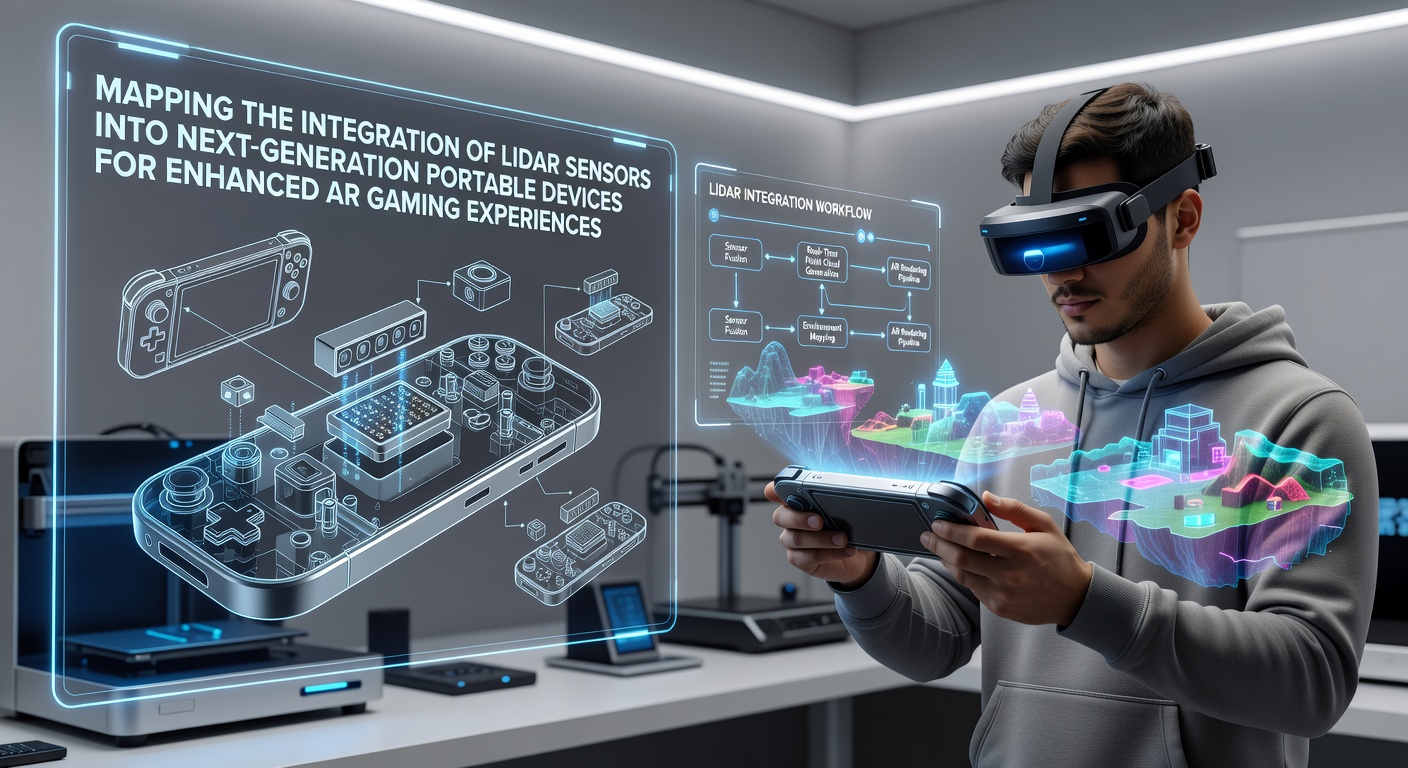
Portable devices now embed LiDAR sensors to generate real-time three-dimensional environmental data that supports more accurate augmented reality overlays in gaming applications, and manufacturers achieve this by combining laser-based distance measurement with existing camera systems while software algorithms fuse the inputs into cohesive spatial models.
Core Mechanics of LiDAR in Portable Hardware
LiDAR operates through emission of rapid laser pulses that reflect off surfaces and return timing data to calculate precise distances, which creates point clouds representing room geometry and object positions, and this process runs continuously in portable units because power-efficient chip designs handle the computational load without draining batteries excessively during extended play sessions.
Engineers integrate these sensors directly into device chassis alongside inertial measurement units and multiple cameras, while calibration routines align the data streams so virtual game elements align correctly with physical surroundings, and researchers at institutions such as the National Institute of Standards and Technology have documented how sensor fusion reduces misalignment errors in dynamic environments.
Deployment Patterns Across Device Categories
Smartphones adopted LiDAR first in flagship models, yet next-generation handhelds and tablets now follow the same path with miniaturized modules that fit slim form factors, and developers optimize firmware to toggle the sensor only during AR sessions so overall power consumption stays manageable across different hardware platforms.
Case studies from hardware vendors show that tablets equipped with higher-resolution LiDAR arrays deliver finer detail for larger play spaces, whereas compact phone implementations prioritize speed over density to maintain frame rates above sixty per second in fast-paced titles, and observers note that modular accessory kits extend LiDAR capability to older portable units through external connections.
Performance Gains in AR Gaming Scenarios
Accurate depth data allows game engines to anchor virtual characters and objects to real surfaces without visual drift, which improves immersion because players can interact with projected elements using natural gestures and movements, and testing protocols reveal that latency between sensor capture and rendering stays below twenty milliseconds in optimized pipelines.
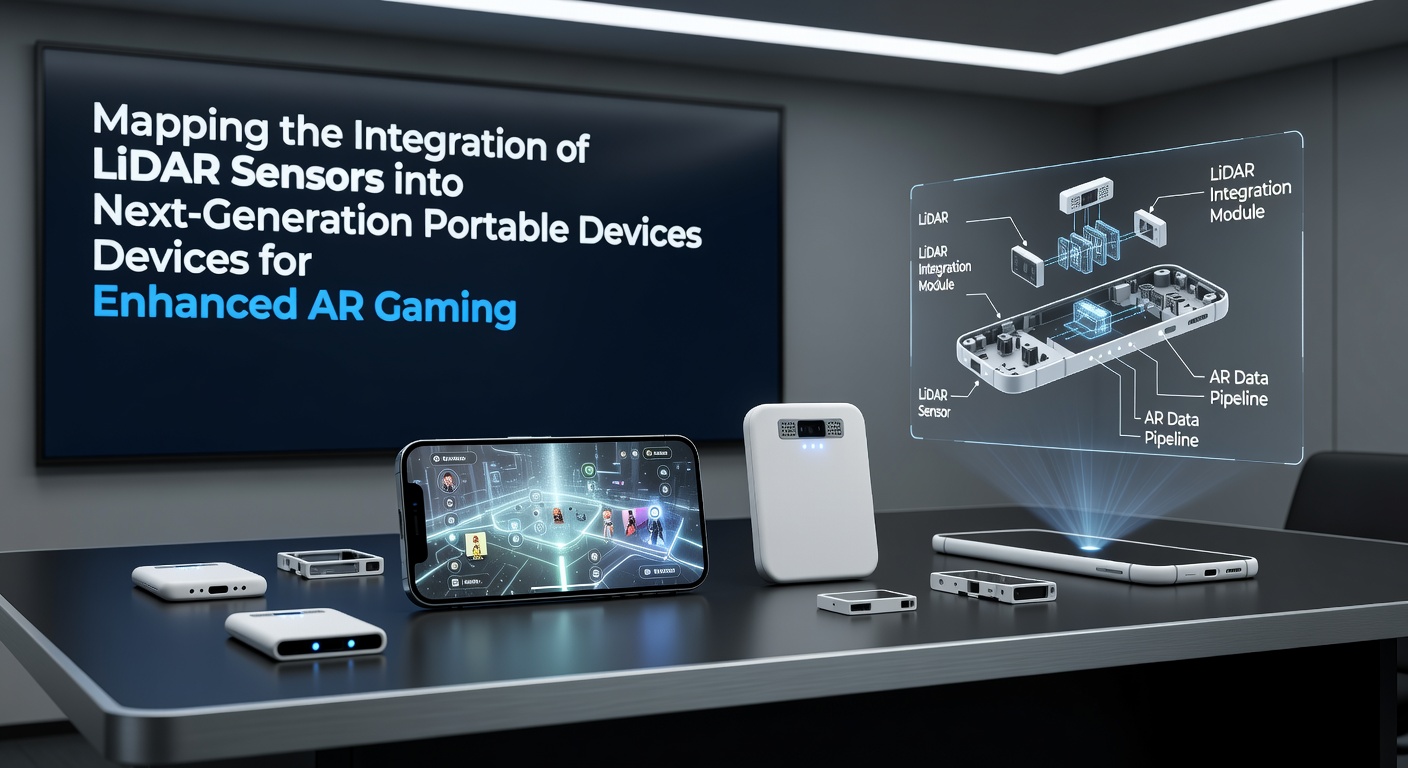
Multiplayer sessions benefit when each device shares localized maps over local networks, enabling synchronized virtual elements across separate viewpoints, and data from field trials indicate that occlusion handling improves because the sensor detects foreground objects that would otherwise obscure virtual assets placed behind them.
Technical Hurdles and Mitigation Strategies
Outdoor sunlight can interfere with laser returns, yet developers counter this through wavelength selection and filtering software that isolates relevant signals, while indoor reflective surfaces occasionally produce ghost points that algorithms now detect and discard before they affect gameplay logic.
Thermal management remains relevant because continuous laser operation generates heat inside compact enclosures, and designers incorporate passive cooling paths plus duty-cycle controls that activate full scanning only when the game requires detailed mapping, and reports compiled by the Commonwealth Scientific and Industrial Research Organisation in Australia outline thermal profiles measured across multiple portable prototypes during prolonged sessions.
Developments Projected for Mid-2026
By May 2026 industry roadmaps point toward wider adoption of solid-state LiDAR variants that reduce moving parts and improve durability in portable devices, and software frameworks from major platforms will expose standardized depth APIs that let smaller studios incorporate advanced spatial features without custom sensor code.
Standardization efforts focus on interoperability so games run consistently across brands, whereas power budgets benefit from newer sensor generations that achieve equivalent scan rates at lower voltages, and analysts tracking component shipments expect portable AR gaming titles to leverage these upgrades for expanded location-based modes that blend indoor and outdoor environments seamlessly.
Conclusion
LiDAR integration continues to advance the capabilities of portable hardware for AR gaming by supplying reliable spatial information that supports precise virtual interactions, and ongoing refinements in sensor size, power efficiency, and data processing ensure broader compatibility across device generations while maintaining performance targets demanded by modern titles.