21 May 2026
Investigating the Synergies Between AI-Driven Frame Generation and Traditional Rendering Pipelines in Modern PC Gaming Setups
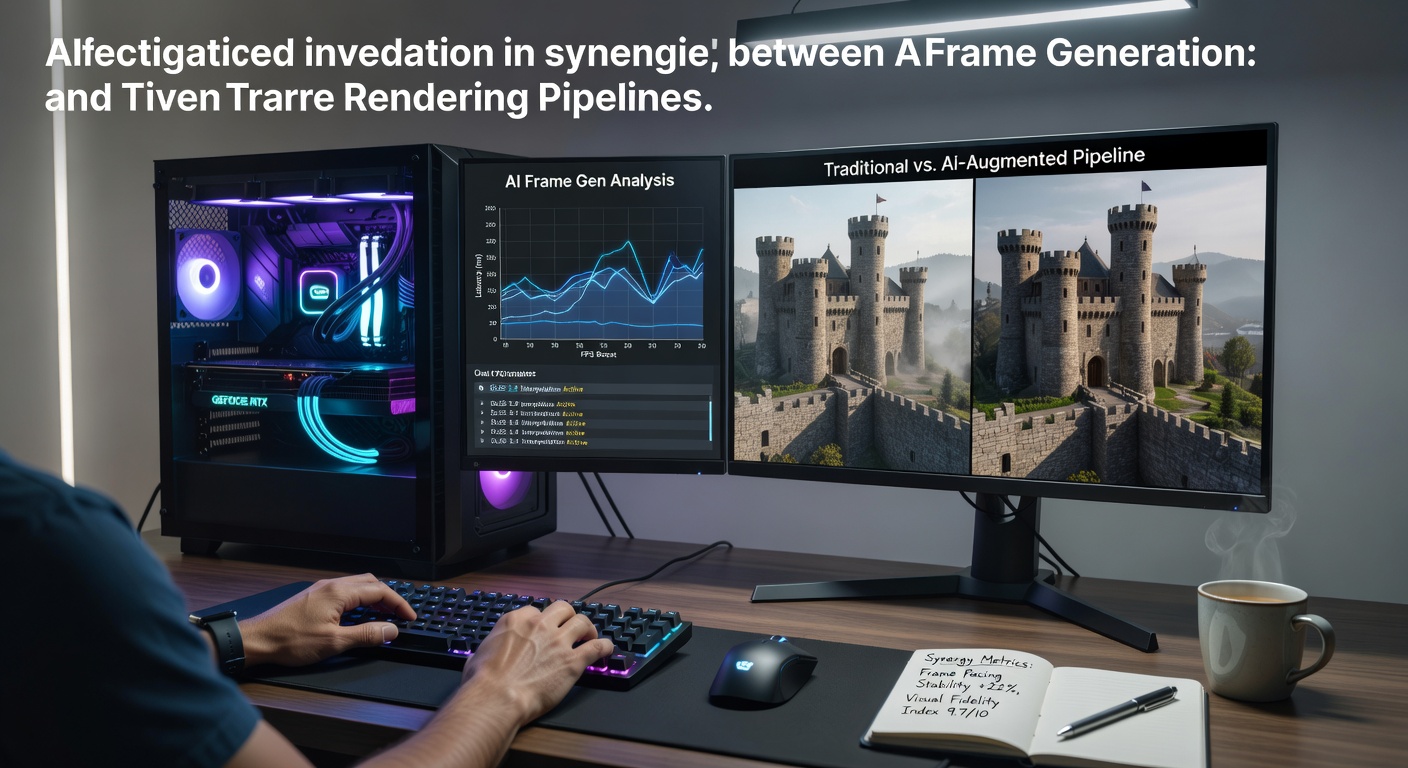
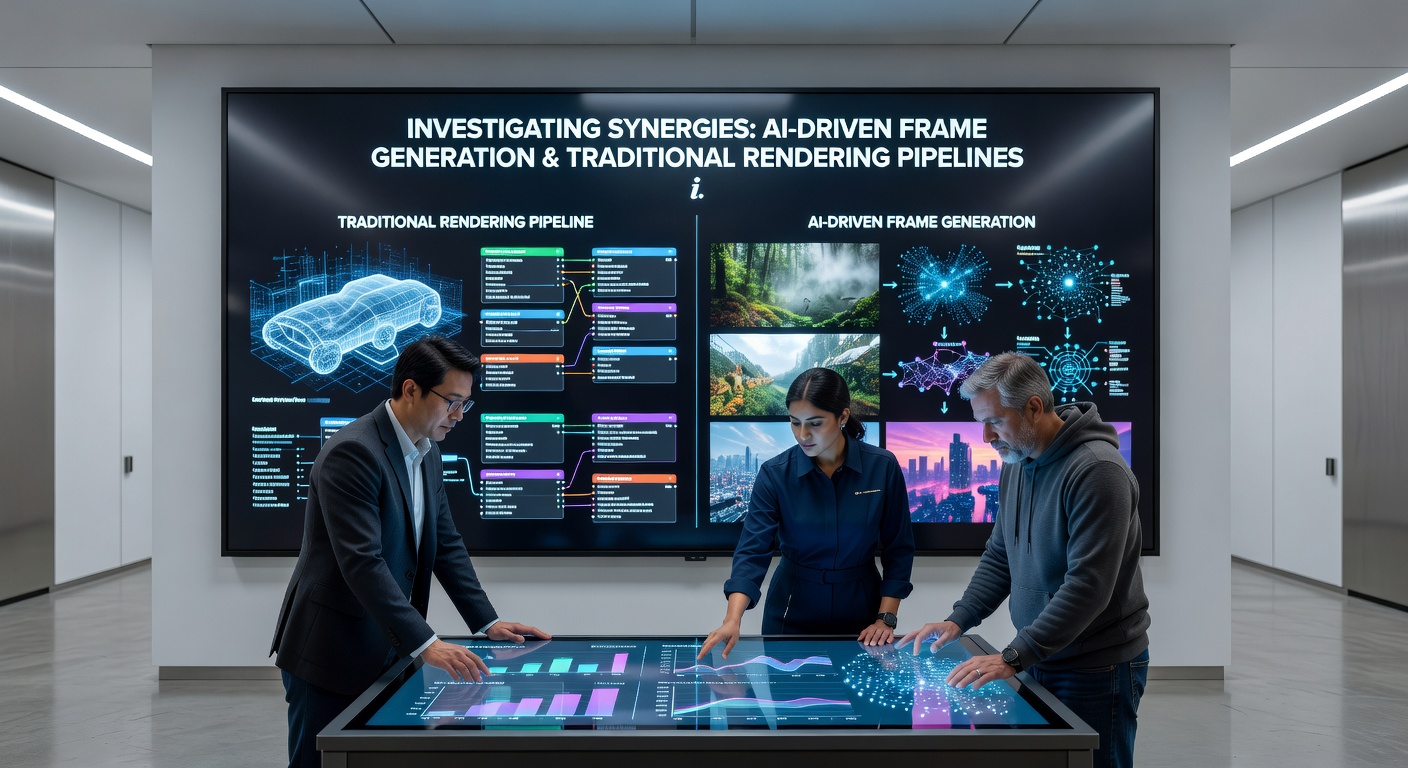
Traditional rendering pipelines in PC gaming have long relied on rasterization techniques that calculate pixel colors based on geometry, textures, and lighting calculations performed frame by frame, while ray tracing extensions add realistic light bounces and reflections at higher computational cost. AI-driven frame generation builds upon these foundations by analyzing motion vectors, depth buffers, and prior rendered frames to synthesize entirely new images that slot between conventionally rendered ones. Researchers at institutions across North America and Europe have documented how this hybrid approach maintains visual coherence because the AI models train on vast datasets of game footage that mirror the output characteristics of standard graphics APIs like DirectX and Vulkan.
Core Mechanics of Pipeline Integration
Frame generation technologies such as those developed by multiple hardware vendors insert their operations after the main rendering pass completes, pulling data directly from the existing pipeline without forcing developers to rewrite core shaders or geometry stages. The process begins when the game engine outputs a rendered frame along with motion and occlusion information, after which neural networks predict intermediate frames by warping pixels according to estimated object trajectories and filling in details through generative inference. Studies from Canadian research labs show that this method reduces the required frame rate from the GPU by roughly half in many scenarios, freeing resources for higher resolution rendering or additional effects like volumetric fog and particle systems that traditional pipelines handle natively.
Observers note that synchronization remains critical because any mismatch between AI-generated content and the game's physics simulation can produce artifacts such as ghosting or incorrect collision visuals. Developers therefore expose specific buffers and timing signals through updated graphics drivers, allowing the AI component to align its output with the engine's tick rate. In May 2026 several major titles released patches that improved these handoffs, resulting in measurable reductions in perceived latency during fast camera movements according to benchmarks conducted by independent testing organizations.
Performance Data Across Hardware Configurations
Figures from recent hardware evaluations reveal that systems pairing high-end GPUs with frame generation features achieve average frame rates between 120 and 180 FPS in 4K resolutions where pure traditional rendering previously topped out near 60 to 80 FPS under identical settings. Power consumption data collected from Australian efficiency studies indicates only modest increases in total system draw because the AI inference runs on dedicated tensor cores rather than the full shader array. Those measurements also highlight that older graphics cards lacking dedicated AI hardware still benefit indirectly when paired with newer CPUs that handle part of the generation workload through optimized software paths.
Challenges in Maintaining Visual Fidelity
Artifacts remain the primary concern when AI-generated frames encounter complex scenes involving transparency, reflections, or rapid particle effects that traditional pipelines render explicitly. Engineers address these issues by blending multiple input frames with weighted confidence values produced by the neural model, then applying temporal filters that smooth discrepancies over successive outputs. Data from European graphics research consortia demonstrates that combining frame generation with upscaling techniques yields higher image stability than either method alone, because upscaled base frames provide richer detail for the AI to reference during synthesis.
Game developers have begun exposing additional metadata such as per-object velocity maps and material properties, enabling more accurate predictions without increasing the base rendering budget. This cooperative approach allows traditional pipelines to focus on what they do best while the AI layer handles the temporal density increase that players notice most during gameplay.
Implementation Examples in Current Titles
Several simulation and action games released in early 2026 adopted hybrid pipelines that toggle frame generation based on scene complexity, disabling it during cutscenes or menus where absolute frame accuracy matters more than smoothness. Testing performed by North American industry groups recorded consistent improvements in frame time variance, producing gameplay that feels more responsive even when the underlying simulation runs at lower tick rates. One notable case involved a racing title where AI-generated frames accurately predicted tire smoke and debris motion by learning patterns from thousands of prior rendered sequences.
Conclusion
The ongoing integration of AI-driven frame generation with established rendering methods continues to evolve through closer collaboration between hardware vendors, engine developers, and academic researchers. Performance metrics collected through 2026 indicate sustained gains in frame delivery without wholesale replacement of existing graphics pipelines, while visual quality refinements address earlier limitations in artifact-prone scenarios. As more titles expose necessary data channels and drivers mature, the combined system offers a practical path toward higher refresh rates on current PC hardware.