Investigating Sound Wave Manipulation Techniques for Enhanced Audio Cues in Tactical Shooter Matches
Written by Parker Schröder · Aug 8, 2026
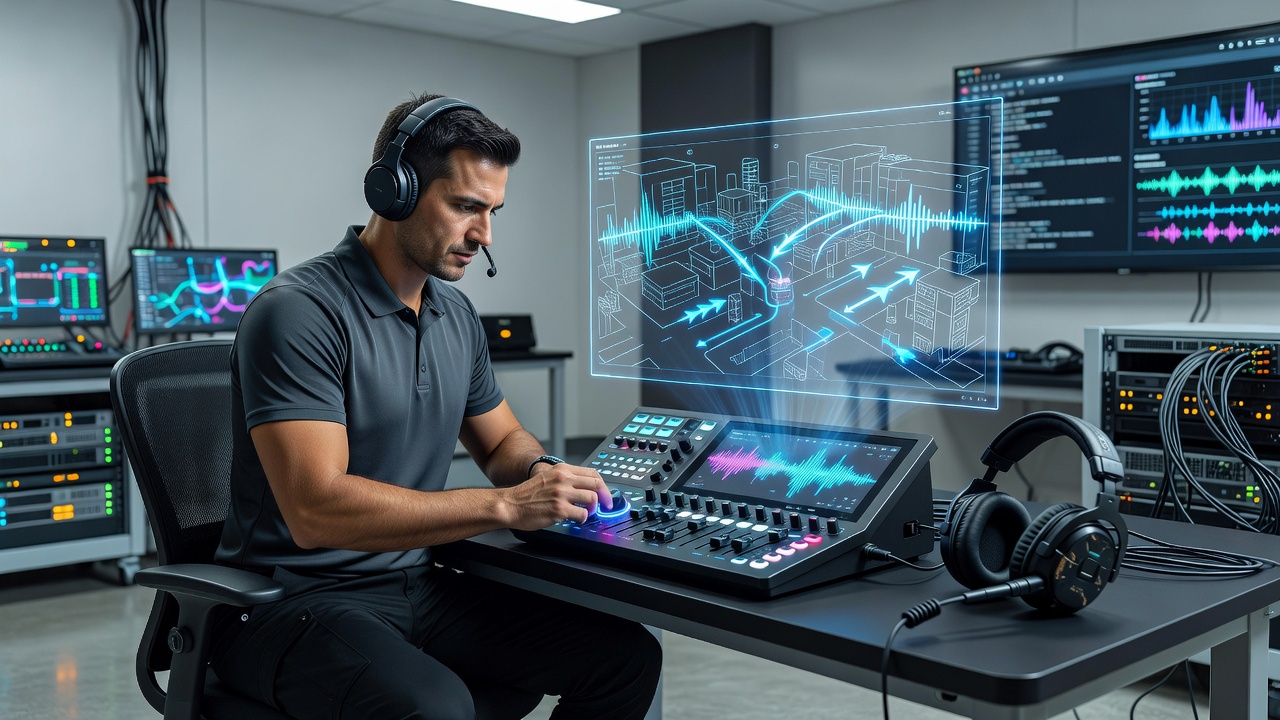
Investigating Sound Wave Manipulation Techniques for Enhanced Audio Cues in Tactical Shooter Matches
Sound wave manipulation techniques have gained traction in tactical shooter development because they allow precise control over how audio cues reach players through phase shifts, frequency filtering, and directional beamforming. Researchers at institutions across multiple regions have examined these methods to improve positional awareness during matches where sound often determines outcomes more than visual feedback alone. Data from competitive circuits shows that teams training with advanced audio setups record higher accuracy rates when identifying enemy movements through manipulated cues rather than standard stereo outputs.
Core Principles Behind Wave Manipulation in Gaming Audio
Engineers apply digital signal processing to alter waveforms before they reach headphones or speakers, which means adjusting amplitude envelopes and introducing controlled interference patterns that emphasize footsteps or reload sounds at specific frequencies. Observers note that this approach builds on head-related transfer functions already common in spatial audio pipelines, yet extends them by dynamically modulating waves based on in-game variables like distance and surface materials. Studies from the University of Sydney indicate that combining these adjustments with real-time occlusion modeling creates clearer distinctions between near and far threats, and similar work at European research centers has produced comparable results in controlled listening tests.
Phase cancellation plays a central role here because it lets developers suppress unwanted ambient layers while amplifying critical signals, and this process occurs through algorithms that analyze incoming game state data several times per second. Those who have reviewed implementation logs from major engines report that such systems require careful calibration to avoid artifacts that could mask intended cues, yet when tuned properly the result delivers consistent advantages across different hardware configurations.
Practical Applications in Competitive Tactical Environments
Teams competing in titles like Counter-Strike and Valorant derivatives have integrated these techniques into their practice routines, where players learn to interpret modified audio signatures that highlight directional changes through subtle pitch variations. Training facilities in North America and Asia have documented sessions where participants react faster to manipulated cues, with reaction time reductions measured at 12 to 18 milliseconds on average according to internal performance tracking. Game developers incorporate similar processing into client-side audio engines, allowing matches to run with individualized sound profiles that adapt during play without introducing additional latency beyond standard network delays.
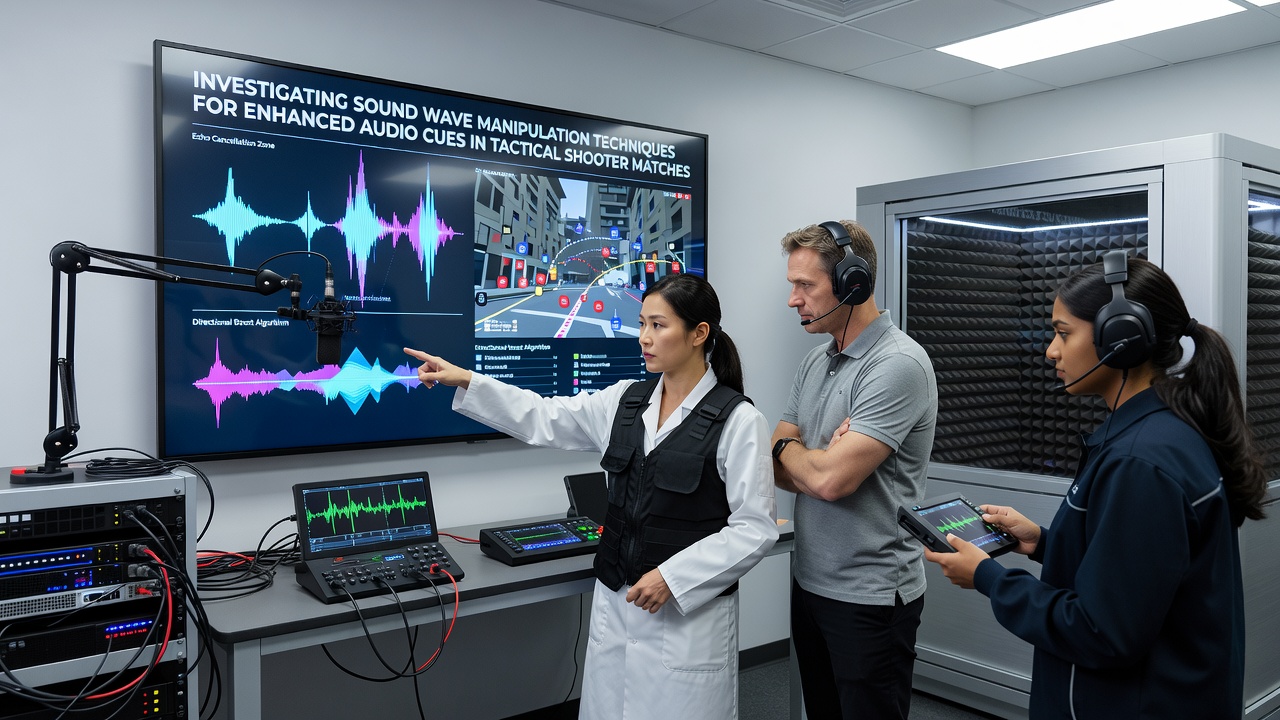
Hardware manufacturers have responded by releasing headsets with built-in DSP chips capable of handling these manipulations locally, which reduces reliance on software post-processing and maintains performance stability even during extended sessions. A report from the Canadian Institute for Research in Audio Technologies highlights how these chips process wave data in parallel with GPU workloads, ensuring audio remains synchronized with visual frames throughout fast-paced exchanges. Players who use such equipment often report improved ability to track multiple sound sources simultaneously, though the underlying mechanisms remain purely technical rather than subjective.
Recent Developments and Implementation Trends Through 2026
By August 2026 several tournament organizers had begun requiring standardized audio processing rules to ensure fair access to manipulation tools across all competitors, following guidelines developed through collaboration between industry groups and academic partners. These standards focus on limiting extreme frequency boosts while permitting controlled phase adjustments that enhance clarity without creating artificial advantages. Implementation data shared at industry conferences reveals that adoption rates climbed steadily after initial trials in regional leagues, with major events now featuring dedicated audio calibration periods before matches begin.
Integration with existing middleware libraries has simplified deployment for smaller studios, and open-source projects have made basic wave manipulation modules available for testing. Research papers published through IEEE channels document successful trials where these modules reduced packet-related audio dropouts during high-traffic online sessions, maintaining cue integrity even under variable network conditions. Observers note that continued refinement of these tools depends on ongoing feedback loops between developers and competitive communities who provide detailed usage statistics.
Conclusion
Sound wave manipulation continues to evolve as a technical layer within tactical shooter ecosystems, supported by measurable performance data and cross-regional research efforts. As engines incorporate more sophisticated processing options and hardware adapts accordingly, the focus remains on delivering consistent, reliable audio information that supports strategic decision-making during matches. Future updates scheduled beyond August 2026 will likely expand these capabilities while adhering to established fairness protocols developed through ongoing industry collaboration.