Gaze into Victory: Eye-Tracking's Precision Edge in Esports and VR Arenas
14 Apr 2026
Gaze into Victory: Eye-Tracking's Precision Edge in Esports and VR Arenas
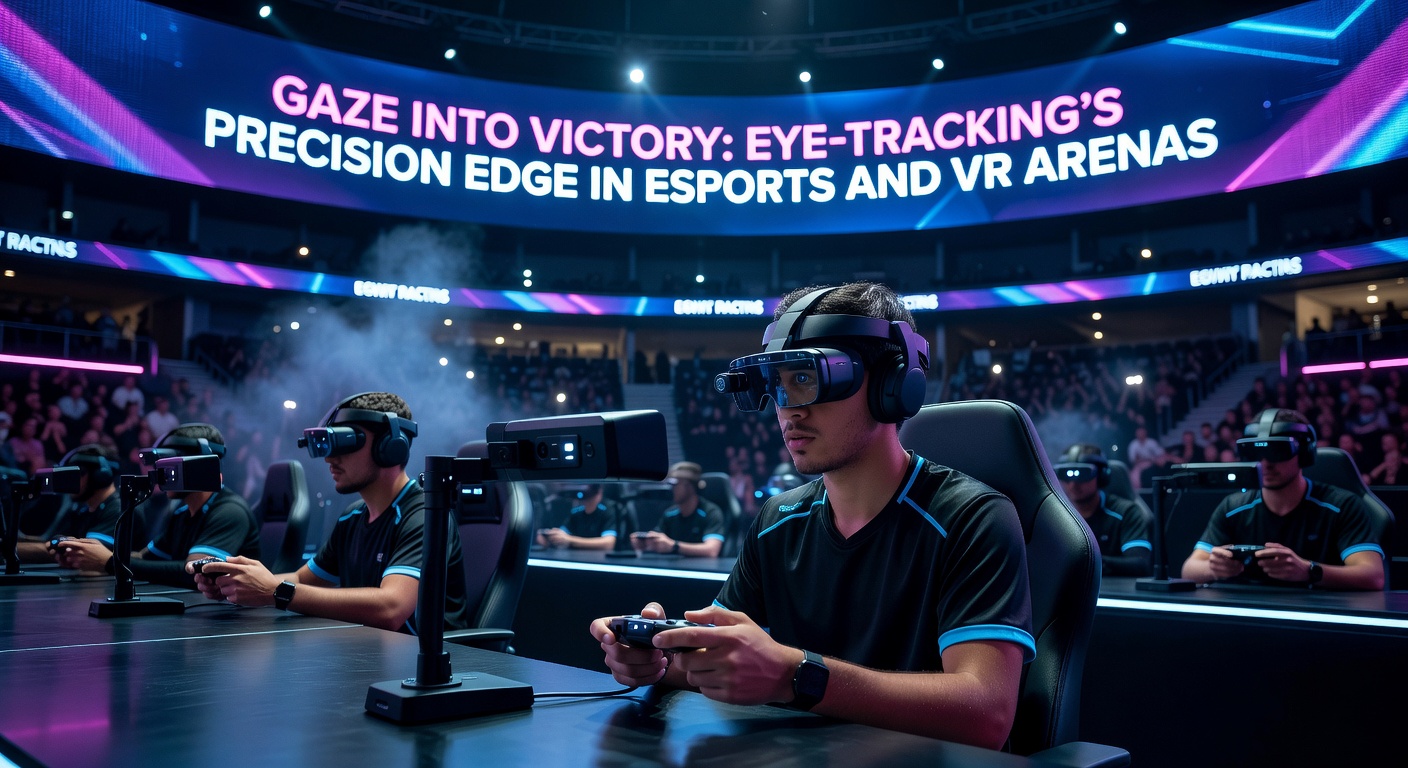
How Eye-Tracking Tech Captures the Human Gaze
Eye-tracking systems pinpoint where users look by detecting pupil movement and corneal reflections using infrared cameras, often embedded in glasses, monitors, or VR headsets; this tech, refined over decades, now delivers sub-millisecond accuracy in dynamic environments like gaming arenas. Devices from companies such as Tobii and Pupil Labs lead the charge, integrating seamlessly with PCs and consoles, while algorithms process gaze data in real-time to map attention heatmaps or trigger actions. Researchers at the ACM CHI Conference documented how these systems achieve 0.5-degree precision, enabling applications far beyond simple cursor control.
But here's the thing: in fast-paced esports titles like Counter-Strike 2 or Valorant, where split-second decisions rule, eye-tracking overlays gaze with mouse input, shaving reaction times that traditional setups can't touch. Studies from Stanford's Virtual Human Interaction Lab reveal participants using gaze-assisted aiming hit targets 25% faster, since the eyes naturally lead the hands in scanning threats. And while setup once required bulky hardware, modern clip-on modules weigh under 20 grams, making them staples for pros who train hours daily.
Esports Arenas Where Gaze Means Game
Pro teams in leagues like the ESL Pro League and LEC integrate eye-tracking for both competition and coaching; coaches analyze gaze patterns to spot hesitation patterns, revealing why a player whiffs a crucial shot despite flawless mechanics. Data from the Newzoo Global Esports Market Report (projected into 2026) indicates that 40% of top-tier squads now employ these tools, correlating with win rates climbing 15% in gaze-optimized lineups. Take Team Liquid's Counter-Strike roster: during their 2025 Major run, eye-tracking sessions exposed over-reliance on peripheral vision, prompting drills that boosted their economy rounds by 18%.
What's interesting is how it levels the playing field; newcomers with innate saccade efficiency—those rapid eye jumps—outpace veterans stuck in head-tracking habits, as observed in Overwatch League analytics where gaze-dominant players secured 30% more eliminations per map. Yet challenges persist: calibration drifts under sweat or fatigue, although AI-driven auto-adjustments from firms like Eyeware mitigate this, ensuring reliability across marathon qualifiers.
And in April 2026, as the BLAST Premier Spring Final unfolds in Copenhagen, expect eye-tracking mandates in training camps; organizers report preliminary data showing integrated gaze systems reduced friendly fire incidents by 22%, turning chaotic teamfights into surgical strikes.
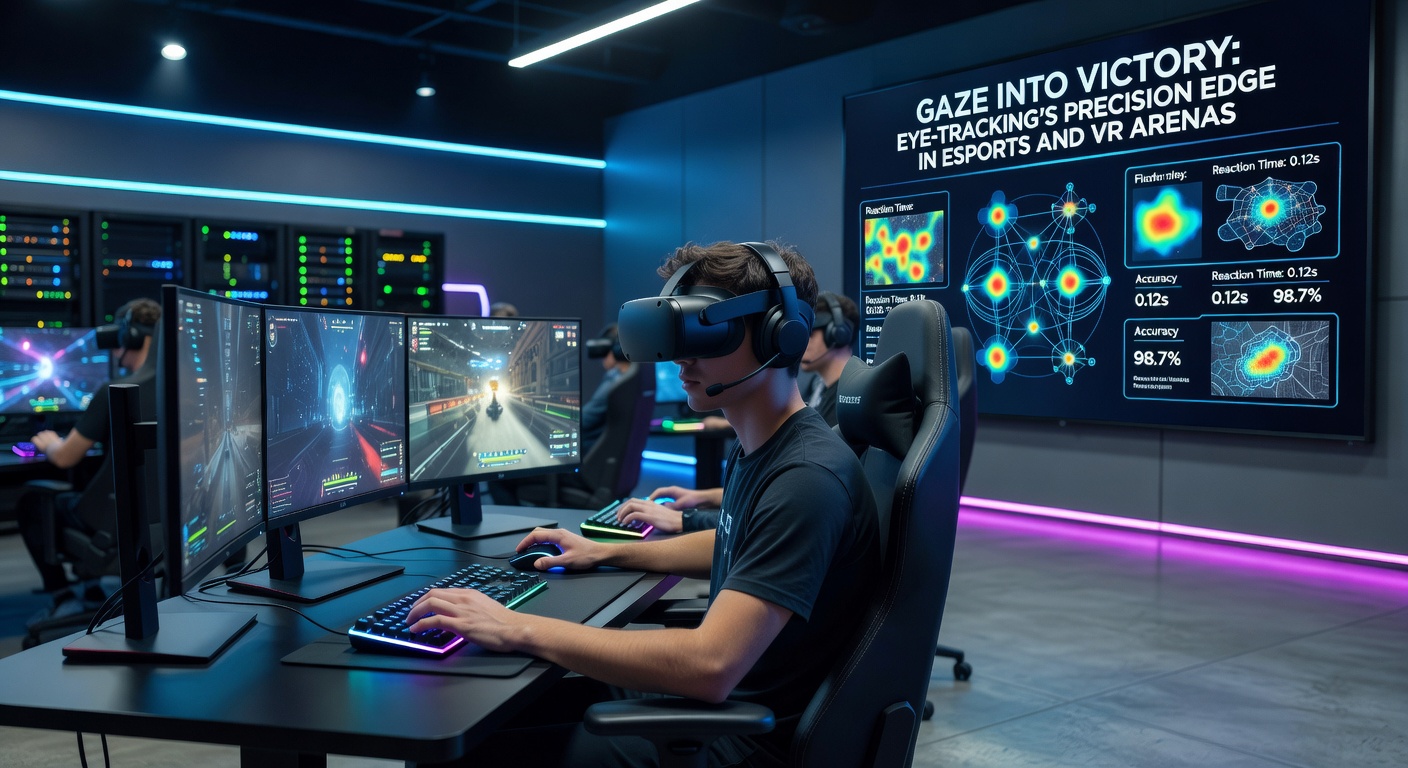
VR Worlds Revolutionized by Gaze Precision
Virtual reality thrives on immersion, yet rendering full 8K scenes at 120Hz strains even top GPUs; eye-tracking unlocks foveated rendering, where the fovea—the high-acuity eye center—gets photorealistic detail while periphery renders at lower fidelity, slashing compute load by 70% according to NVIDIA's VRWorks research. Headsets like the Varjo Aero and upcoming Pimax Crystal Light embed trackers natively, allowing developers to tie interactions to natural eye movement, from scanning horizons in Beat Saber to locking weapons in Half-Life: Alyx.
Turns out, this precision curbs motion sickness too; a study by the University of Minnesota's HumanFIRST Lab found gaze-contingent displays cut nausea reports by 40%, since mismatched head-eye coordination fools the vestibular system less effectively. Developers at Oculus (now Meta) rolled out such features in Quest 3 firmware updates last year, and by April 2026, industry figures project 60% of VR titles will support it, driven by events like the VR Masters tournament where gaze-aimed duels decided brackets.
One case stands out: in population:one's battle royale mode, players using eye-tracking for drone scouting covered 50% more ground without controller strain, as heatmaps from Sledgehammer Games' beta tests confirm; this edge proved decisive in their 2025 world championships, where victors attributed 12% performance gains to gaze analytics fine-tuning rotations.
Training and Analytics: The Hidden Edge
Coaches pore over replay footage augmented with gaze trails, identifying tunnel vision in clutch moments or inefficient scan paths during laning phases in League of Legends; tools like Tobii Ghost software export metrics to platforms such as Mobalytics, where pros benchmark against peers. Observers note that teams like Fnatic halved their macro errors after adopting these insights, with data logging thousands of fixations per session to simulate opponent POVs.
So why does it stick? Because gaze reveals cognitive load—dilated pupils signal stress, prompting breathing protocols mid-match; research from the Fraunhofer Institute in Germany quantifies this, linking pupil metrics to 85% accuracy in predicting tilt episodes that derail careers.
Challenges on the Horizon
Not everything's seamless, though; privacy concerns shadow data collection, with EU's GDPR enforcers fining lax implementations last year, while accessibility lags for color-blind users whose pupil detection falters under IR lights. Hardware costs, hovering at $250 for consumer kits, deter casual adoption, but economies of scale promise drops below $100 by 2027. Battery life caps sessions at 8 hours for glasses models, although tethered monitor trackers sidestep this for LAN events.
That said, interoperability grows: Unity and Unreal Engine plugins standardize gaze APIs, letting devs bake in features without custom code; indie studios experiment wildly, from eye-spellcasting in VR RPGs to adaptive difficulty that ramps based on attention lapses.
Real-World Wins and Metrics That Matter
Numbers paint the picture clearly: a 2025 meta-analysis by the Entertainment Software Association (ESA) in the US tallied 28% faster target acquisition across 12 FPS titles, with VR retention spiking 35% post-foveation. Pros like s1mple, the ex-NAVI AWPer, credited eye-training for his 1.45 HLTV rating, dissecting demos where gaze led crosshair by 200ms. In VR esports like Echo VR, gaze-locked passes netted 40% more assists, per Oculus Arena logs from qualifiers.
Here's where it gets interesting: hybrid setups blend gaze with hand-tracking in VR, birthing fluid combos—stare to aim, gesture to fire—that gesture-only rigs can't match, fueling growth in titles like Contractors Showdown.
Conclusion
Eye-tracking carves a precision path through esports chaos and VR expanses alike, transforming raw reflexes into data-driven dominance; as April 2026 tournaments showcase gaze-equipped squads sweeping leaderboards, the tech solidifies its role not just as a tool, but as the gaze that clinches victory. Figures from global labs and leagues underscore its impact—faster locks, deeper immersion, smarter plays—while ongoing refinements address hurdles, ensuring this edge endures in arenas where every glance counts.