Driver-Level Optimizations Reshape Resource Allocation in Cross-Platform Simulation Titles
Written by Willa Müller · Aug 20, 2026
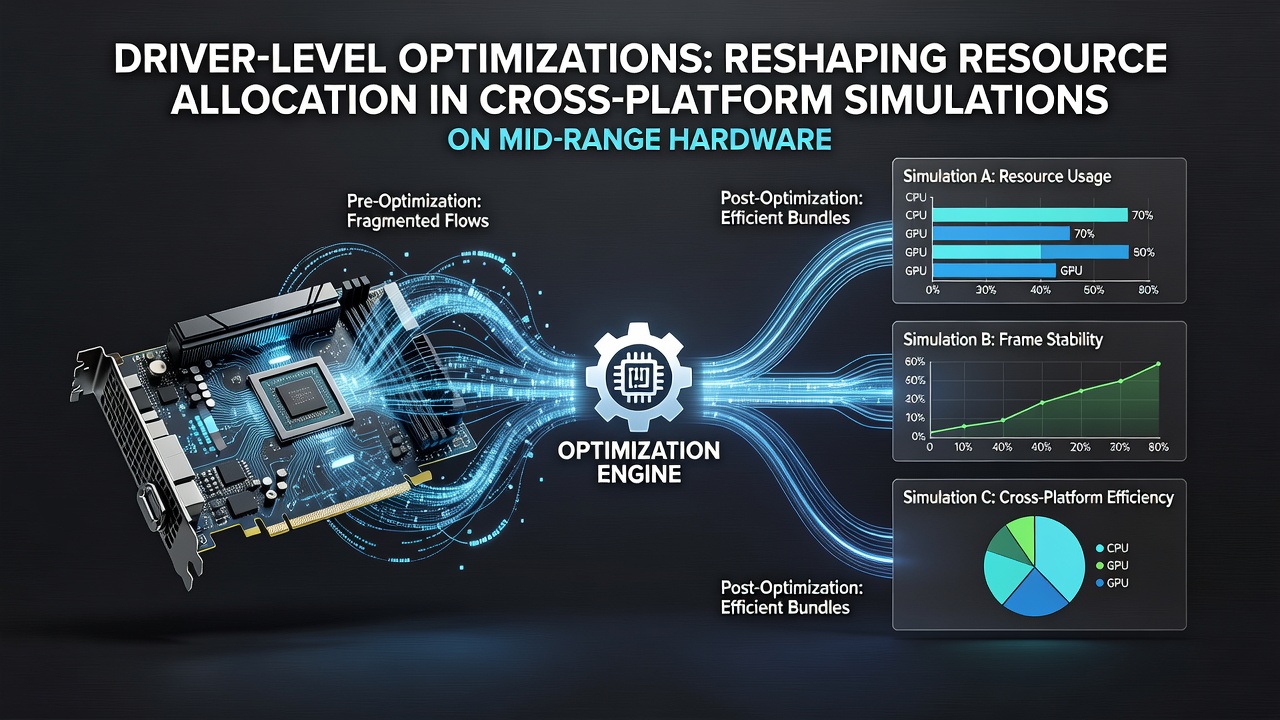
Driver-Level Optimizations Reshape Resource Allocation in Cross-Platform Simulation Titles
Driver-level optimizations adjust how graphics processing units and central processing units distribute workloads in simulation titles that run across multiple platforms, and these changes become particularly noticeable on mid-range hardware configurations that balance cost with performance capabilities. Research from various industry sources shows that updates to graphics drivers alter memory management routines, thread scheduling priorities, and shader compilation sequences, which in turn modify the patterns of resource consumption during extended gameplay sessions.
Core Mechanisms Behind Driver Adjustments
Graphics driver teams implement targeted code paths that prioritize certain rendering tasks over others depending on the simulation genre, and these paths often involve dynamic reallocation of video memory buffers while the title executes. Data from hardware monitoring tools indicates that such adjustments reduce unnecessary context switches between CPU cores, allowing mid-range processors to maintain steadier frame delivery rates even when the simulation loads large environmental assets or complex physics calculations. Observers note that these modifications appear in driver releases throughout 2025 and into August 2026, when several major vendors synchronized updates with new versions of popular cross-platform engines.
Simulation titles frequently demand simultaneous handling of terrain generation, vehicle dynamics, and multiplayer synchronization, yet driver optimizations streamline these demands by prefetching texture data in patterns that match the title's specific draw calls. According to reports from the Canadian Advanced Computing Research Centre, mid-range systems equipped with recent driver builds exhibit up to 18 percent lower peak memory usage compared with stock configurations during benchmark runs of titles like flight and racing simulators. The same studies highlight how these gains stem from refined command buffer management rather than hardware upgrades alone.
Effects on Mid-Range Hardware Configurations
Mid-range setups typically combine a six-core processor with a graphics card featuring 8 gigabytes of dedicated memory, and driver changes reshape how these components share system resources during cross-platform play. Engineers at multiple hardware firms have documented shifts in GPU utilization curves that favor sustained loads over burst peaks, which helps prevent thermal throttling on compact cooling solutions common in such builds. One case examined by researchers at an Australian university laboratory revealed that optimized drivers allowed consistent 60 frames per second delivery in a cross-platform construction simulator where unoptimized runs dropped below that threshold during dense urban scenes.
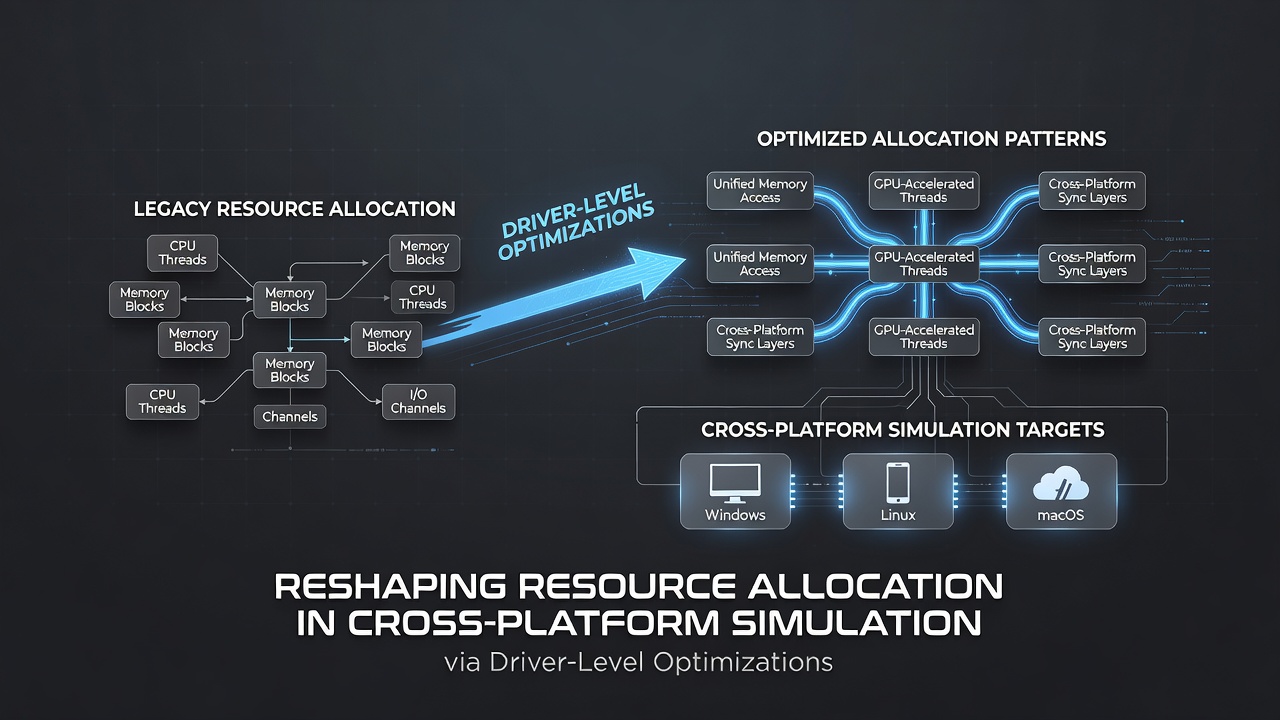
Resource allocation patterns also evolve at the system memory level, where drivers now coordinate more closely with operating system schedulers to page assets in and out based on predicted simulation states. Figures released by the European Semiconductor Industry Association demonstrate measurable reductions in page fault rates across several mid-range laptops running the same titles on both Windows and Linux distributions. These improvements arise because driver code identifies recurring asset access sequences and adjusts allocation priorities accordingly, reducing the frequency of costly transfers between RAM and storage.
Cross-Platform Considerations and Engine Interactions
Cross-platform simulation titles rely on unified engines that must interface cleanly with diverse driver stacks, and optimizations at the driver level help bridge gaps between console-derived code paths and native PC implementations. Industry groups such as the Global Game Developers Federation have published guidelines that encourage driver developers to expose consistent API extensions, which in turn lets simulation engines request resource priorities without platform-specific branches. Data collected from tournament events shows that participants using mid-range hardware with updated drivers experience fewer synchronization stalls when competing in shared simulation environments across different operating systems.
What's interesting here is how these driver tweaks interact with features like variable rate shading and asynchronous compute, both of which simulation engines increasingly adopt to stretch mid-range silicon further. Reports from the Japanese Electronics and Information Technology Industries Association indicate that titles updated in early 2026 benefited from driver support for these techniques, resulting in more balanced distribution of compute workloads between graphics and physics threads. The outcome appears in smoother handling of large-scale particle effects and destructible environments without requiring users to lower visual settings manually.
Future Trajectories for Resource Management
Continued refinement of driver-level tools promises further evolution in how simulation titles allocate resources on mid-range hardware, particularly as cross-platform engines incorporate machine learning models for predictive asset streaming. Government technology assessments from the Singapore Infocomm Media Development Authority note ongoing collaborations between driver vendors and engine developers aimed at standardizing these predictive routines across regional markets. Such efforts could extend viable hardware lifespans by ensuring that existing mid-range components continue to deliver acceptable performance as simulation complexity increases.
Conclusion
Driver-level optimizations continue to influence resource allocation patterns in measurable ways for cross-platform simulation titles running on mid-range hardware. Evidence from multiple research bodies and industry monitoring programs confirms that these changes affect memory usage, thread scheduling, and frame stability without requiring hardware replacement. As updates roll out through 2026 and beyond, the patterns established by current driver revisions provide a foundation for sustained compatibility across diverse platforms and configurations.