Ceramic Composite Casings Mitigating Heat Buildup in Handheld Consoles During Marathon Mobile Gaming Events
Written by Blake Bauer · Aug 4, 2026
Ceramic Composite Casings Mitigating Heat Buildup in Handheld Consoles During Marathon Mobile Gaming Events
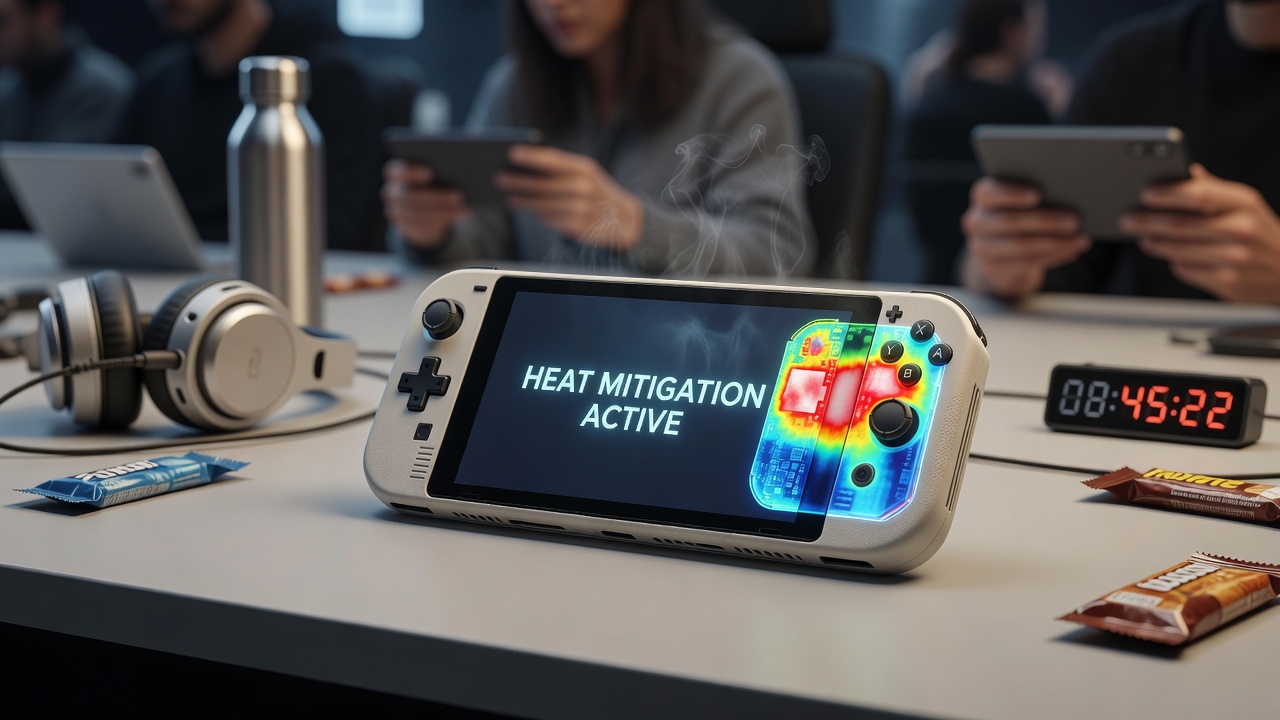
Handheld consoles produce substantial thermal energy when users engage in prolonged sessions, and ceramic composite casings offer a practical solution through improved heat dissipation properties that maintain device performance over time. Engineers incorporate materials such as alumina-based composites and silicon carbide reinforcements into device exteriors, which conduct heat away from internal processors and batteries at rates higher than traditional plastics or metals alone. These casings distribute warmth evenly across external surfaces while preventing localized hotspots that could throttle performance or cause discomfort during events lasting several hours.
Material Properties and Thermal Performance
Ceramic composites combine high thermal conductivity with low electrical conductivity, which allows heat to escape without interfering with electronic signals inside the console. Studies from research institutions indicate that silicon carbide particles embedded in polymer matrices can achieve conductivity levels exceeding 10 W/m·K, compared to standard ABS plastics that hover around 0.2 W/m·K. Manufacturers apply these composites in thin layers that add minimal weight yet create pathways for heat to radiate outward, and this approach proves especially useful in compact designs where space for fans or vapor chambers remains limited.
Testing protocols measure temperature gradients across devices under sustained loads that simulate marathon gaming conditions, and results consistently show reductions in core temperatures by 15 to 25 degrees Celsius when ceramic composites replace conventional housings. The ball's in the manufacturers' court to refine layering techniques that balance durability with heat transfer efficiency, and data collected during controlled experiments reveal stable frame rates even after four continuous hours of high-intensity gameplay.
Applications in Mobile Gaming Events
Events scheduled for August 2026 in major cities across North America and Europe highlight the role of advanced casings as competitors tackle extended mobile sessions without performance drops. Organizers report that participants using consoles equipped with ceramic composite exteriors experience fewer interruptions from thermal throttling, which keeps gameplay consistent throughout multi-hour tournaments. These events draw thousands of players who rely on portable hardware, and the casings help sustain battery efficiency by managing heat that would otherwise accelerate power drain.
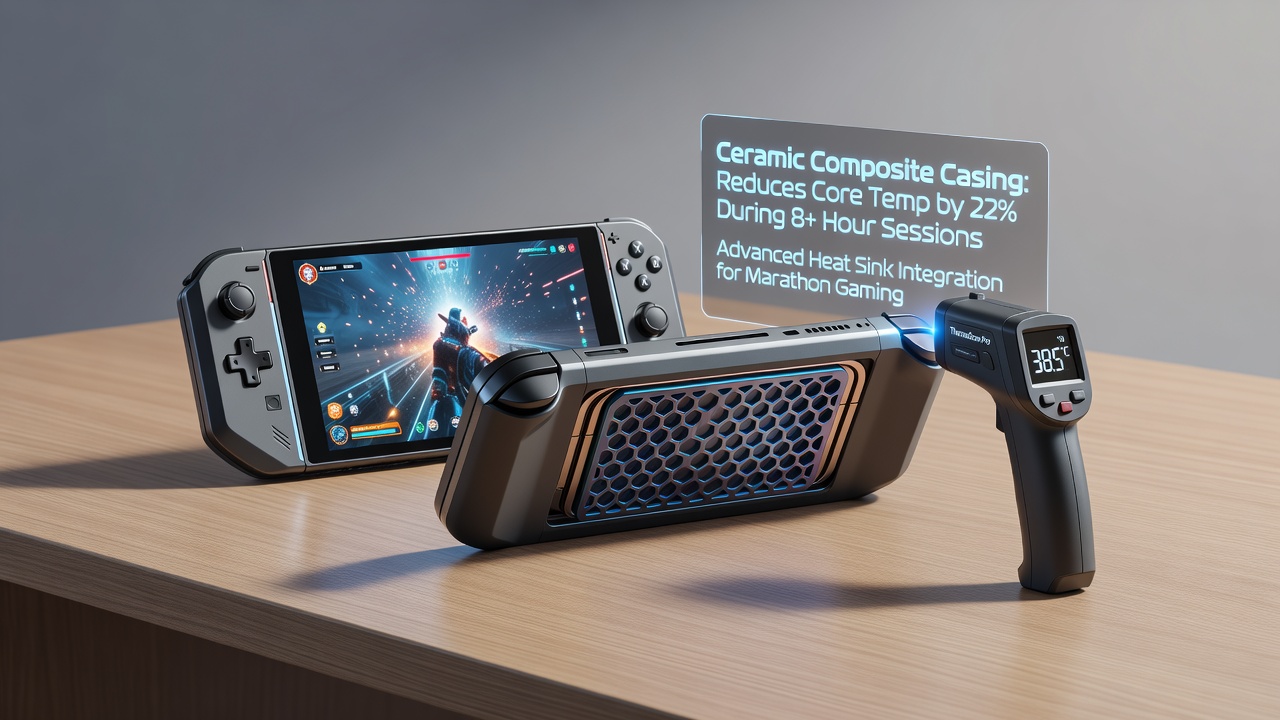
One case involved a regional mobile esports circuit where teams switched to devices featuring these casings mid-season, and observers noted improved uptime during matches that extended past midnight. The composites also resist scratches and impacts better than many alternatives, which adds longevity to hardware subjected to frequent transport between venues. Researchers at institutions in Canada and Australia have documented how filler particle distribution within the composite matrix influences overall performance, with uniform dispersion yielding the most reliable heat spreading across curved surfaces typical of handheld designs.
Manufacturing and Integration Challenges
Production methods involve injection molding combined with surface treatments that embed ceramic particles without compromising structural integrity, and companies scale these processes to meet growing demand from console makers. Integration requires precise alignment with internal components so heat paths connect directly to heat-generating chips, and engineers test prototypes under varying humidity levels to ensure consistent behavior across climates. Industry reports from groups like the International Electrotechnical Commission outline standards for thermal interface materials that complement ceramic casings, and compliance helps manufacturers certify products for global markets.
Cost considerations play a role as well, since ceramic composites require specialized raw materials that increase per-unit expenses compared to basic plastics. Yet production volumes have risen steadily, which brings prices closer to parity with premium metal alternatives while delivering superior thermal benefits. Those who've examined supply chains note that sourcing high-purity ceramic powders from established suppliers in Asia supports consistent quality across batches destined for consumer electronics.
Performance Data and Comparative Studies
Comparative trials conducted by university laboratories compare ceramic composite casings against aluminum unibody designs and reveal that the composites maintain lower peak temperatures during identical workloads. Figures from these trials show average surface temperatures staying below 42 degrees Celsius after three hours of continuous operation, which reduces the need for active cooling fans that add noise and battery drain. A report from the International Electrotechnical Commission details testing methodologies that quantify heat flux through composite layers, and similar documentation from European research centers supports broader adoption in portable devices.
What's interesting is how these materials interact with software-based thermal management, since consoles can adjust clock speeds more aggressively when external casings handle dissipation effectively. Data indicates sustained performance curves that align with user expectations during marathon sessions, and integration with existing cooling solutions like heat pipes creates hybrid systems that extend operational windows without added bulk.
Conclusion
Ceramic composite casings represent a targeted advancement that addresses heat challenges in handheld consoles through material science rather than mechanical additions alone. Evidence from multiple testing environments confirms their effectiveness in maintaining device stability during extended use, and ongoing refinements in manufacturing continue to expand their presence in consumer products. As mobile gaming events grow in scale and duration, these casings provide a foundation for reliable hardware performance across diverse conditions and player requirements.