9 Jun 2026
Biofeedback Loops from Wearable Devices Enhancing Training Protocols in Professional Fighting Game Circuits
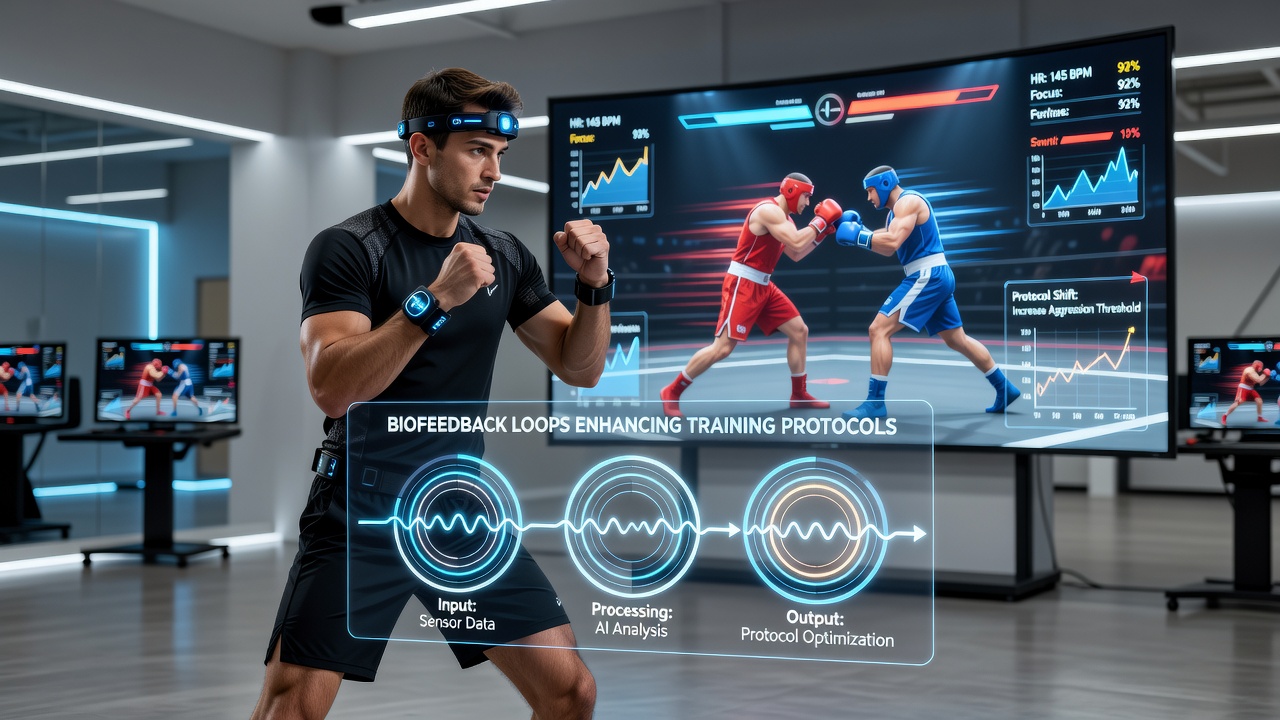
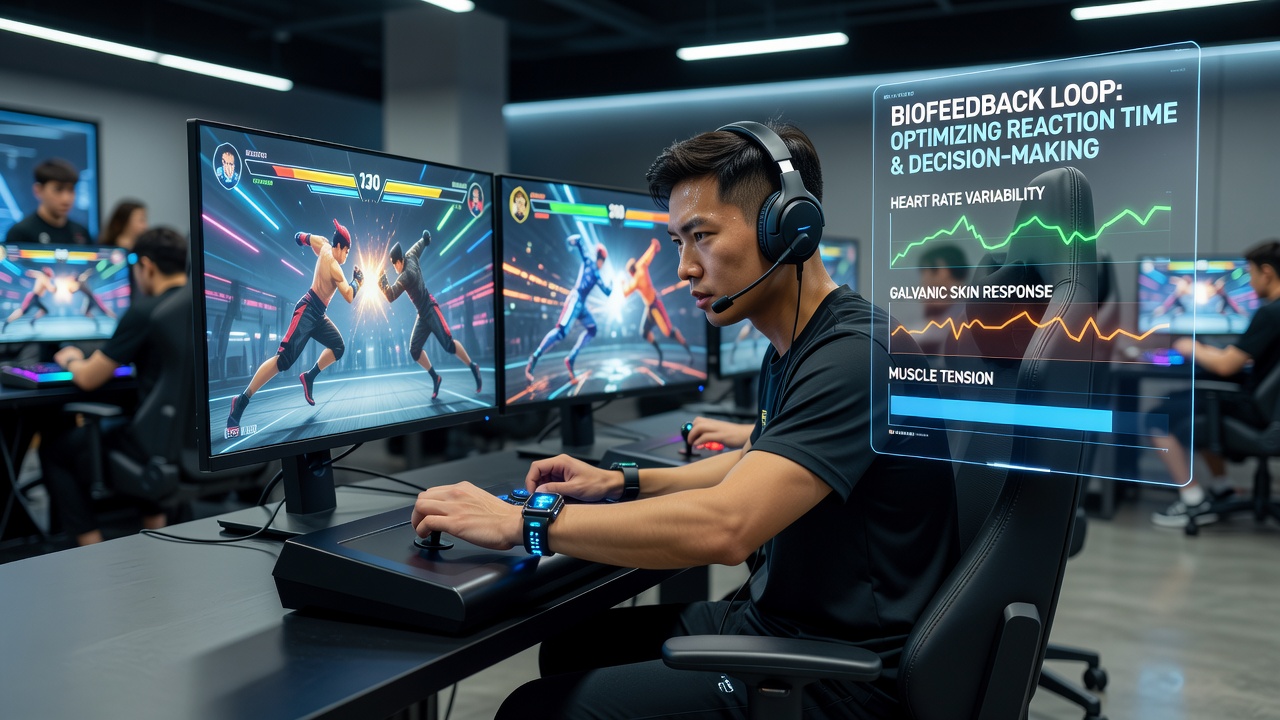 Professional fighting game circuits have incorporated wearable devices that generate biofeedback loops to refine training protocols for competitors in titles such as Street Fighter 6 and Tekken 8. These systems track physiological signals including heart rate variability, muscle activation patterns, and skin conductance levels, then feed the data back into structured practice regimens. Researchers at institutions across North America and Asia have documented how such loops allow athletes to adjust their sessions based on objective markers rather than subjective feel alone.
Core Mechanisms of Biofeedback Integration
Wearable sensors collect continuous streams of biometric information during drill repetitions and match simulations. Heart rate monitors attached to the wrist or chest transmit readings to software platforms that flag elevated stress responses during high-pressure sequences like frame-perfect combos or defensive reversals. Electromyography bands wrapped around forearms detect tension spikes in key muscle groups responsible for rapid button inputs and joystick movements. Data from these devices flows into algorithms that generate immediate visual or auditory cues, prompting players to modify breathing rhythms or grip pressure before fatigue sets in. Observers note that training facilities began scaling these setups more aggressively after 2024, with several circuit organizers standardizing sensor kits for participants. In June 2026, the Capcom Pro Tour included dedicated biofeedback stations at its regional qualifiers in Tokyo and Los Angeles, where competitors reviewed session logs showing correlations between elevated cortisol indicators and dropped win rates in late-round scenarios.Training Protocol Adjustments Driven by Sensor Data
Coaches use aggregated outputs to redesign daily regimens for individual athletes. A player exhibiting consistent heart rate spikes above 140 beats per minute during anti-air execution drills might receive modified warm-up sequences that incorporate paced breathing intervals. Muscle activation graphs revealing premature fatigue in the dominant hand lead to targeted rest periods or grip-strengthening exercises scheduled between ranked matches. Software dashboards overlay these metrics onto replay footage, letting analysts pinpoint exact moments where physiological responses diverge from optimal performance windows. Studies conducted by teams at Seoul National University have tracked participants across multiple seasons and recorded measurable reductions in error rates when protocols incorporated biofeedback adjustments. Similar findings emerged from collaborative work involving the European Esports Research Network, where data logs from over 200 professional sessions demonstrated improved consistency in reaction timing after four weeks of sensor-guided practice.Device Ecosystems and Data Processing Standards
Current hardware configurations rely on compact chest straps paired with forearm sleeves that transmit via Bluetooth to local tablets or cloud servers. Processing pipelines apply filters to isolate relevant signals from movement artifacts common in intense controller use. Teams calibrate thresholds individually because baseline readings vary widely across competitors due to differences in age, fitness levels, and prior exposure to competitive pressure. Several circuit teams now require athletes to log at least three monitored sessions per week during off-season periods. The resulting datasets feed into predictive models that forecast performance dips during extended tournament days spanning eight or more hours.