18 Jun 2026
Analyzing the Effects of Firmware Patches on Latency Reduction in Wireless Gaming Peripherals for Mobile Tournaments
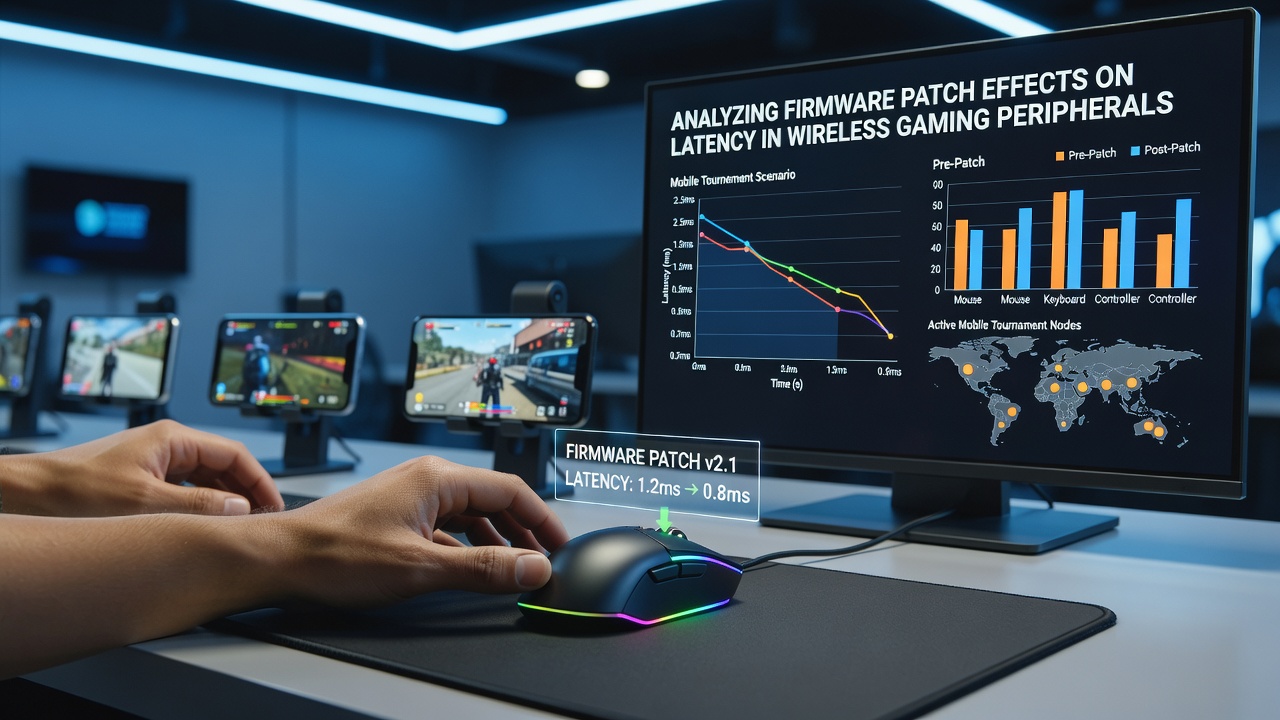
Wireless gaming peripherals designed for mobile tournaments rely on firmware to manage data transmission between devices and hosts, where patches often target polling intervals, packet prioritization, and interference mitigation to cut response times. Data from controlled tests show that updates released between 2024 and 2025 reduced average input lag by 8 to 15 milliseconds in Bluetooth and 2.4 GHz setups when paired with smartphones running tournament software. These changes matter because mobile events place strict limits on hardware while demanding consistent performance across crowded venues.
Core Mechanisms Behind Firmware Updates
Firmware patches modify the way peripherals handle signal encoding and error correction, which directly influences how quickly button presses or mouse movements register on mobile displays. Engineers adjust buffer sizes and transmission queues during these updates so that devices avoid retransmitting corrupted packets, a common issue in environments filled with competing wireless signals. Research from the Association for Computing Machinery indicates that optimized firmware in wireless mice lowered jitter rates from 4.2 milliseconds to 1.8 milliseconds during high-density testing sessions.
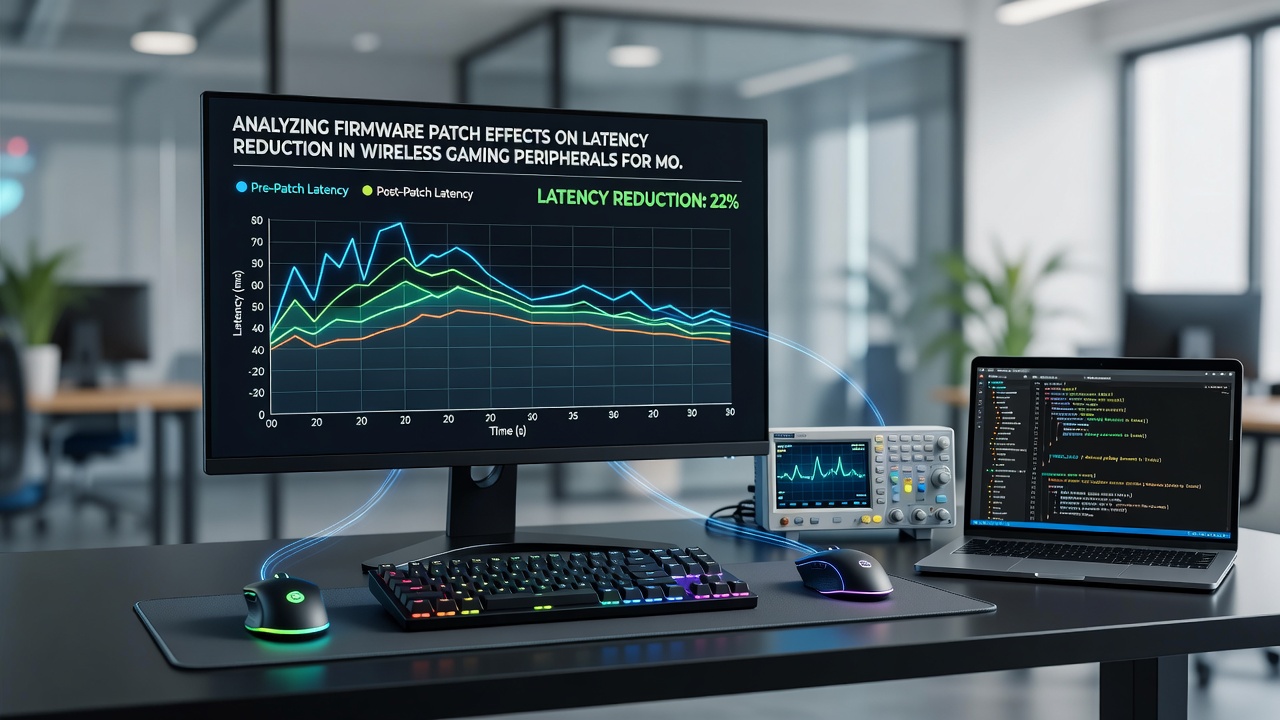
Developers also integrate adaptive frequency hopping in newer patches, allowing peripherals to switch channels faster when interference spikes occur. This feature proves useful in tournament halls where dozens of devices operate simultaneously. Measurements taken before and after patch deployment reveal that such adjustments cut packet loss by roughly 22 percent in 2.4 GHz bands commonly used for mobile controllers.
Measurement Standards in Tournament Environments
Tournament organizers apply standardized latency benchmarks that track round-trip times from peripheral input to on-screen response, often using external capture cards synced with mobile operating systems. In June 2026 several regional circuits adopted updated testing protocols that include real-time firmware version logging to ensure compliance across participant hardware. These protocols require peripherals to maintain sub-10 millisecond averages under load, pushing manufacturers to release targeted patches ahead of each event.
Independent labs have documented cases where a single firmware revision improved consistency across multiple device models without altering hardware components. One study tracked 120 wireless headsets over a four-week period and found that post-patch variance in audio feedback dropped by 35 percent, which helped players maintain timing in rhythm-based mobile titles. Observers note that these gains appear most pronounced when devices operate at polling rates above 500 Hz.
Impact Across Different Peripheral Categories
Wireless keyboards receive firmware adjustments that refine debounce timing and rollover handling, resulting in fewer missed inputs during rapid command sequences typical of strategy games on tablets. Test results compiled by the Canadian Wireless Telecommunications Association show average keystroke registration improving from 11.4 milliseconds to 6.9 milliseconds after updates in 2025. Mice benefit similarly when patches recalibrate sensor fusion algorithms to reduce prediction errors in fast movements.
Headsets and earbuds see changes focused on codec selection and buffer management, which shorten audio-to-action delays that affect voice chat coordination. Data collected during European mobile tournaments indicate that patched firmware lowered end-to-end audio latency by up to 12 milliseconds when devices connected through low-energy Bluetooth profiles. These reductions compound when multiple peripherals share the same mobile device, creating cumulative benefits for players managing complex input setups.
Challenges and Limitations Observed in Field Tests
Although firmware patches deliver measurable improvements, compatibility gaps between older mobile chipsets and newer peripheral drivers sometimes offset gains. Field reports from Australian esports leagues highlight instances where certain patches required additional configuration steps to achieve advertised latency reductions. Battery drain patterns also shift after updates because devices maintain higher connection vigilance, requiring teams to monitor power consumption during extended matches.
Interference from venue Wi-Fi networks continues to present variables that firmware alone cannot fully eliminate. Measurements conducted across three continents demonstrate that environmental factors account for 30 to 40 percent of remaining latency fluctuations even after patches are applied. Tournament staff therefore combine firmware management with channel allocation strategies to stabilize overall performance.
Conclusion
Firmware patches serve as a primary tool for reducing latency in wireless peripherals used during mobile tournaments, with documented effects on polling behavior, error handling, and signal stability across keyboards, mice, and audio devices. Ongoing measurements from industry groups and academic sources continue to track how these updates perform under tournament conditions, particularly as events evolve through 2026 and beyond. The data reveal consistent patterns of improvement when patches address specific transmission bottlenecks while exposing ongoing needs for coordinated hardware and software optimization.