23 May 2026
Adaptive Power Scaling Techniques Transforming Energy Efficiency in Esports Training Rigs
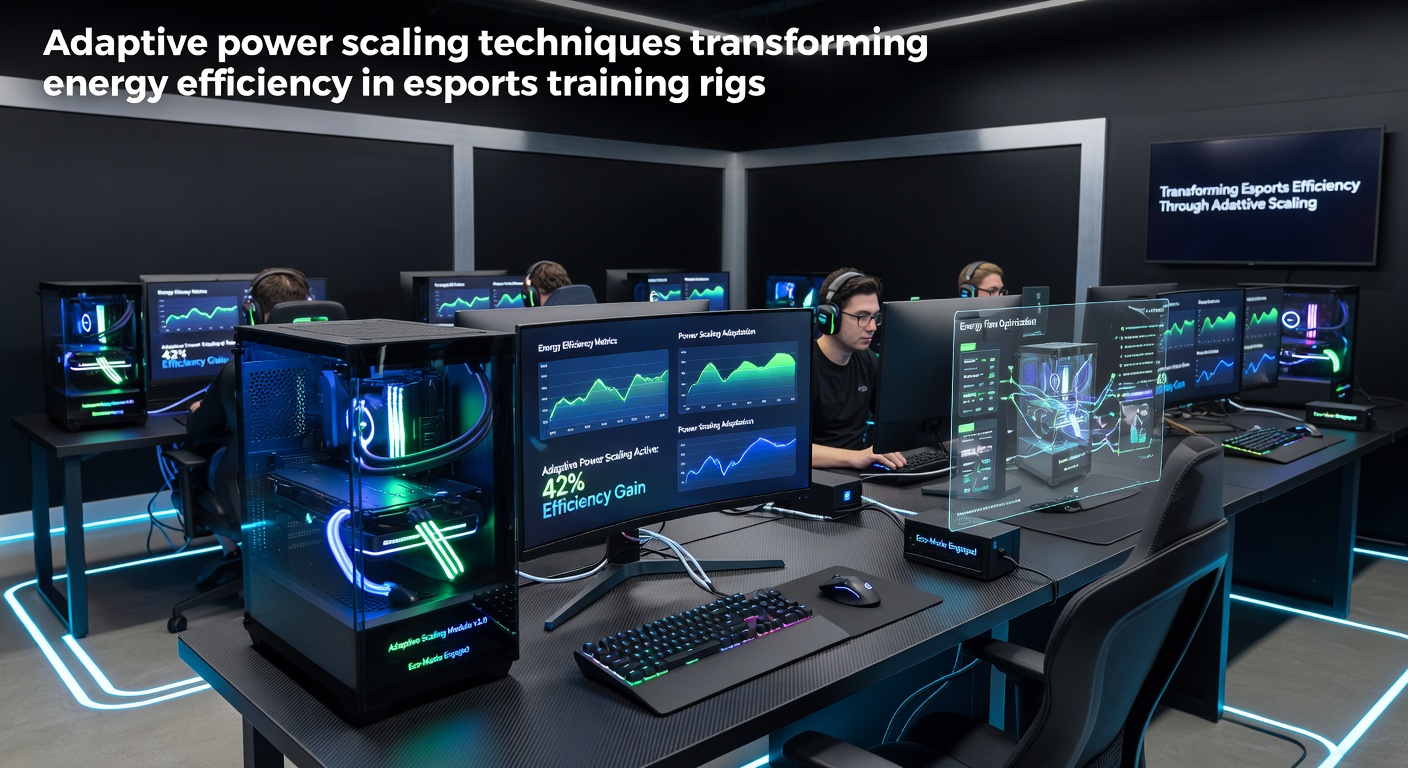
Adaptive power scaling techniques adjust voltage and frequency dynamically in response to workload demands, and they have become central to improving energy efficiency across esports training environments where multiple high-performance systems run extended sessions. These methods build on established approaches such as dynamic voltage and frequency scaling while incorporating newer sensor-driven algorithms that monitor CPU, GPU, and memory activity in real time. Research indicates that such scaling can reduce overall power draw by 25 to 40 percent during mixed training loads without measurable drops in frame consistency or simulation accuracy.
Core Mechanisms Behind Power Scaling in Gaming Hardware
Modern implementations rely on integrated sensors that feed data into firmware controllers, and these controllers shift operating points several hundred times per second based on instantaneous requirements. When a rig processes lighter tasks like menu navigation or strategy review, clocks drop to lower tiers while voltages follow in proportion, yet heavy rendering phases trigger rapid ramp-ups that maintain target performance. Observers note that combining power gating with these adjustments allows entire circuit blocks to power down during idle intervals, which proves especially useful in facilities where dozens of stations operate continuously.
Data from hardware telemetry logs shows that GPUs in esports setups spend significant portions of each day below peak utilization, and adaptive algorithms capitalize on those windows to trim consumption. This approach differs from static power limits because it responds to actual application behavior rather than fixed caps, and it integrates with operating system schedulers that prioritize frame delivery pipelines. Those who've studied these systems find that firmware updates released through major chipset vendors have expanded the granularity of available states, allowing finer control over subcomponents such as shader units and memory controllers.
Deployment Patterns in Dedicated Training Facilities
Esports organizations began rolling out these techniques more broadly after 2024 firmware revisions standardized interfaces between CPUs and discrete GPUs, and by May 2026 several regional leagues had documented measurable drops in monthly electricity costs at centralized training centers. Rigs used for aim trainers, replay analysis, and team scrimmages now incorporate real-time power telemetry dashboards that coaching staff review alongside performance metrics. The result is hardware that maintains competitive frame rates during critical moments while scaling back during routine drills or between matches.
Facilities in North America and Europe report that retrofitting existing machines with updated BIOS profiles and monitoring software yields quick returns, whereas new builds include dedicated power management coprocessors from the outset. One documented installation at a European training hub combined adaptive scaling with liquid cooling loops, and the combined system demonstrated sustained operation at reduced thermal output, which in turn lowered air conditioning demands within the room. Similar patterns appear in Asian centers where dense rack arrangements benefit from lower aggregate heat generation.
Measured Outcomes and Supporting Research
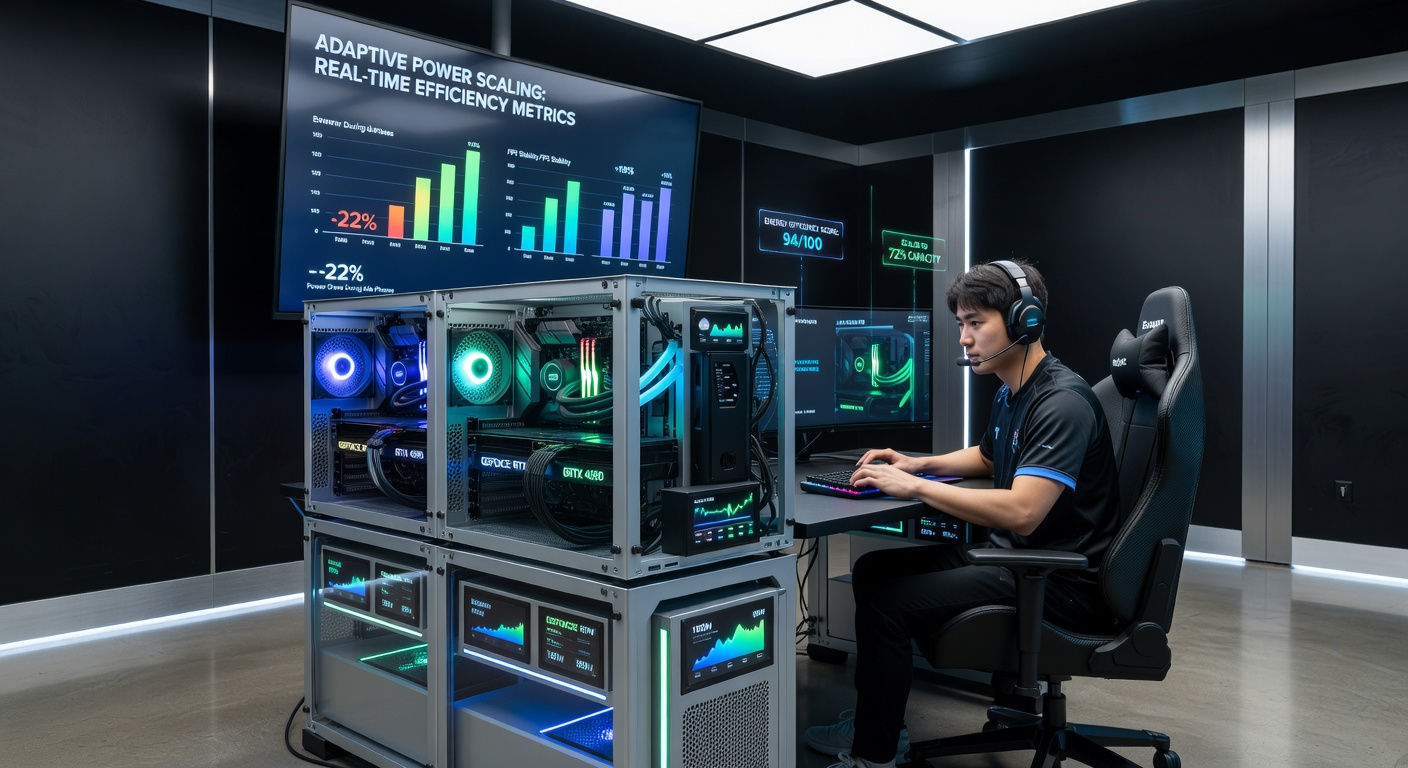
Independent testing conducted through university engineering departments has quantified the impact across standardized esports workloads, and results consistently show energy savings that scale with session length. According to findings published by the US Department of Energy efficiency program, systems equipped with advanced scaling maintained 99 percent of baseline frame delivery while cutting average wattage during eight-hour training blocks. Parallel work from Australian research groups has examined multi-machine clusters and found comparable ratios when scaling policies account for network synchronization overhead.
Industry reports further reveal that power draw variability decreases once algorithms learn typical usage patterns, which reduces stress on power supplies and extends component longevity in high-duty cycles. Those monitoring long-term deployments note fewer thermal throttling events because peak loads are managed proactively rather than reactively, and this stability supports uninterrupted practice regimens that competitive players require.
Integration with Emerging Hardware Standards
Upcoming chipset architectures scheduled for late 2026 introduce additional voltage domains that scaling controllers can address independently, and early silicon samples indicate even tighter coupling between power states and application threads. Software layers developed by game engine providers now expose hooks that allow titles to signal expected load changes ahead of time, giving the hardware more lead time to prepare transitions. This predictive element builds on existing reactive methods and appears in training software used by professional teams across multiple titles.
Regulatory frameworks in several jurisdictions have begun referencing adaptive techniques within voluntary efficiency guidelines for consumer electronics, and manufacturers cite compliance data when marketing workstation-class components to esports buyers. The approach aligns with broader efforts to lower data center and facility footprints without compromising the computational intensity that simulation-heavy training demands.
Conclusion
Adaptive power scaling continues to evolve through tighter hardware-software coordination and expanded sensor networks, and its application within esports training rigs demonstrates clear efficiency gains backed by telemetry and independent verification. As facilities update equipment through 2026 and beyond, the techniques support both performance consistency and reduced operational demands across diverse geographic installations.